
Guide To Cleaning Ac Evaporator Coils
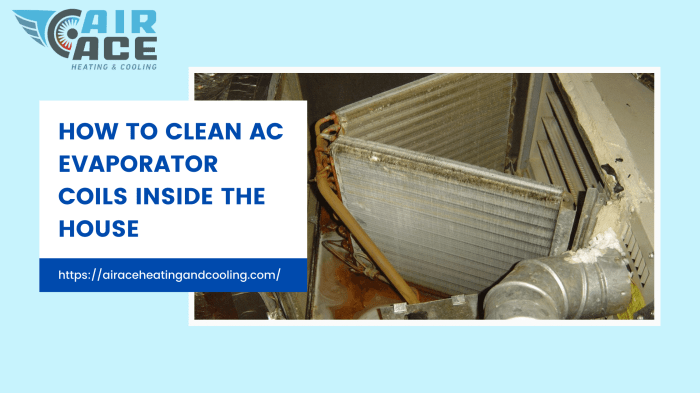
Guide to cleaning AC evaporator coils takes center stage in this detailed exploration of essential maintenance practices for optimal cooling system performance. From understanding the importance of clean coils to practical cleaning steps, this guide offers a holistic view of AC maintenance.
Whether you’re a seasoned homeowner or a novice DIY enthusiast, delving into the world of AC evaporator coil care is crucial for a comfortable indoor environment. Let’s uncover the secrets to a well-maintained cooling system.
Introduction to AC Evaporator Coils
AC evaporator coils play a crucial role in the cooling process of air conditioning systems. These coils are responsible for absorbing heat from the indoor air, allowing the refrigerant to evaporate and cool down the air that is circulated back into the living space.
When it comes to DIY air conditioner tune-up steps, following a detailed guide can help you maintain your unit between professional services. Simple tasks such as cleaning or replacing filters, checking for leaks, and ensuring proper airflow can improve the performance of your air conditioner.
Visit DIY air conditioner tune-up steps for a step-by-step tutorial on how to keep your unit in top condition.
Cleaning AC evaporator coils is essential for maintaining the efficiency and effectiveness of the cooling system. Over time, these coils can accumulate dirt, dust, and other debris, which can hinder their ability to absorb heat efficiently. As a result, the system may have to work harder to cool the air, leading to increased energy consumption and higher utility bills.
Professional air conditioner maintenance services are essential to keep your unit running efficiently. By hiring professional air conditioner maintenance services , you can ensure that your system is properly inspected, cleaned, and serviced to prevent any unexpected breakdowns. These experts have the knowledge and tools to diagnose any issues and provide the necessary repairs or replacements.
Consequences of Neglecting Maintenance on Evaporator Coils
- Reduced Cooling Efficiency: Dirty coils restrict airflow and heat transfer, reducing the system’s ability to cool the air effectively.
- Increased Energy Consumption: A system with dirty coils must work harder to achieve the desired temperature, leading to higher energy consumption.
- Shortened Lifespan of the System: The strain on the system caused by dirty coils can lead to premature wear and tear, reducing the overall lifespan of the air conditioning unit.
- Poor Indoor Air Quality: Dust and debris on the coils can promote the growth of mold and bacteria, compromising indoor air quality and potentially causing health issues.
Signs That AC Evaporator Coils Need Cleaning
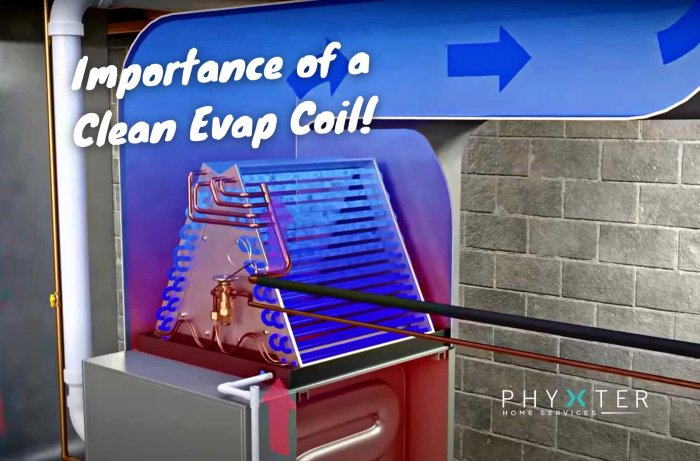
When it comes to maintaining your AC system, keeping the evaporator coils clean is crucial for efficient cooling and optimal performance. Here are some common signs that indicate your AC evaporator coils may need cleaning.
Visual Inspection of Evaporator Coils
One way to determine if your evaporator coils need cleaning is by conducting a visual inspection. Start by turning off the power to your AC system and removing the access panel to reveal the coils. Look for any visible signs of dirt, dust, or debris accumulation on the coils. If you notice a layer of grime covering the coils, it’s a clear indication that they need to be cleaned.
Reduced Cooling Efficiency
Dirty evaporator coils can significantly impact the cooling efficiency of your AC system. When the coils are covered in dirt and debris, they are unable to absorb heat effectively, causing the cooling process to be less efficient. As a result, you may notice that your home takes longer to cool down or that certain areas are not reaching the desired temperature. If you experience reduced cooling performance, it’s a strong indicator that your evaporator coils need to be cleaned.
Tools and Materials Required for Cleaning
When cleaning AC evaporator coils, it is essential to have the right tools and materials to ensure effective and safe cleaning. Here are the necessary items needed for cleaning the coils:
Tools Needed:
- Foaming coil cleaner or commercial coil cleaner
- Soft-bristled brush or coil cleaning brush
- Vacuum cleaner with a soft brush attachment
- Gloves and safety goggles
- Screwdriver or wrench (for accessing the coils)
Types of Cleaning Solutions:
- Commercial coil cleaners: These are specifically designed for cleaning AC evaporator coils and are available in spray or foaming formulations.
- Homemade solutions: A mixture of water and mild detergent can also be used as a DIY cleaning solution.
- Alkaline-based cleaners: These are effective for removing stubborn dirt and debris from the coils.
It is important to choose a cleaning solution that is recommended for use on evaporator coils to prevent damage to the coils.
Safety Guidelines for Handling Cleaning Materials:
- Always wear gloves and safety goggles to protect your skin and eyes from the cleaning solutions.
- Ensure proper ventilation in the area where you are cleaning the coils to prevent inhaling fumes from the cleaning products.
- Follow the manufacturer’s instructions on the cleaning solution for dilution and application methods.
- Avoid mixing different cleaning solutions as it can produce harmful fumes.
- Dispose of used cleaning materials properly according to local regulations.
Steps to Clean AC Evaporator Coils
Cleaning the AC evaporator coils is essential for maintaining the efficiency of your air conditioning system. Here is a step-by-step guide on how to properly clean the coils:
Accessing the Coils for Cleaning
To access the AC evaporator coils, you will need to locate the evaporator coil door on your air handler unit. This door can typically be found near the air filter. Remove the screws or fasteners holding the door in place and carefully set it aside to expose the coils.
Removing Debris and Dirt from the Coils, Guide to cleaning AC evaporator coils
Once the coils are exposed, use a soft brush or vacuum with a soft brush attachment to gently remove any visible debris, dirt, or dust from the coils. Be careful not to bend or damage the fins of the coils during this process, as they are delicate and can affect the performance of your AC unit if bent.
Rinsing and Drying the Coils
After removing the debris, it is important to rinse the coils with a mixture of water and mild detergent. You can use a spray bottle to apply the solution evenly over the coils. Rinse the coils thoroughly with clean water to ensure all the detergent is removed. Allow the coils to air dry completely before reassembling the evaporator coil door.
Maintenance Tips for Keeping Evaporator Coils Clean
Regular maintenance is key to ensuring the efficiency and longevity of your AC system. Here are some tips to help you keep your evaporator coils clean and functioning optimally.
Replace Filters Regularly
One of the most important maintenance tasks for keeping evaporator coils clean is to regularly replace the air filters in your AC system. Dirty filters can lead to dust and debris accumulating on the coils, reducing their efficiency and causing them to work harder. Aim to replace filters every 1-3 months, depending on usage and the type of filter.
Keep Surrounding Area Clean
Ensure the area around the indoor unit of your AC system is clean and free from dust, dirt, and debris. Vacuum or dust the area regularly to prevent these particles from being drawn into the system and accumulating on the coils.
Schedule Professional Maintenance
While DIY cleaning of evaporator coils is important, it’s also recommended to schedule professional maintenance at least once a year. A professional HVAC technician can perform a thorough inspection, cleaning, and tune-up of your AC system, ensuring that all components, including the coils, are in optimal condition.
Also Read: Diy Air Conditioner Tune-Up Steps
Closing Summary: Guide To Cleaning AC Evaporator Coils
In conclusion, keeping your AC evaporator coils clean is not just about enhancing efficiency; it’s about ensuring the longevity of your cooling system. By following the tips and steps Artikeld in this guide, you can enjoy a consistently cool and comfortable indoor environment all year round.
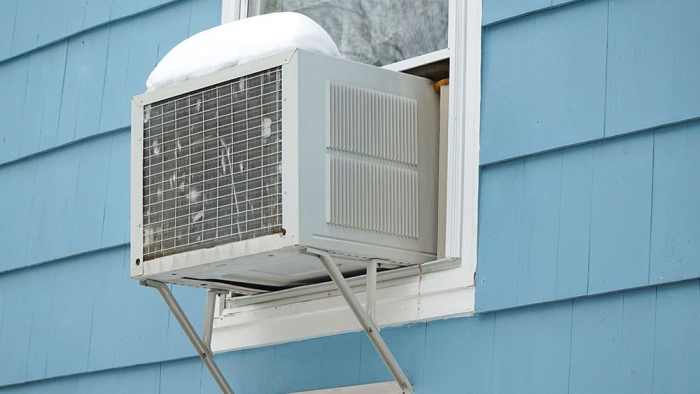
During winter months, it is important to know how to properly store window AC units to protect them from damage. By following the guidelines outlined in How to properly store window AC units in winter , you can ensure that your unit remains in good condition for the next cooling season.
Proper storage techniques can extend the lifespan of your air conditioner and prevent costly repairs.