

Tips For Troubleshooting Ac Drainage Problems
Tips for troubleshooting AC drainage problems takes center stage in this detailed exploration of common issues, causes, and solutions. Dive into the world of AC maintenance and repair with this informative guide.
Common AC Drainage Problems
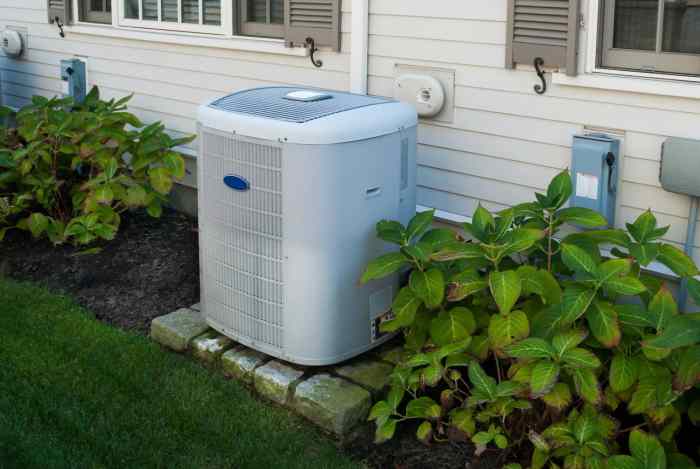
When it comes to AC drainage, there are several common issues that can arise, causing problems with the system’s performance. Identifying these problems early on is crucial to prevent any further damage to your AC unit.
Clogged Drain Line
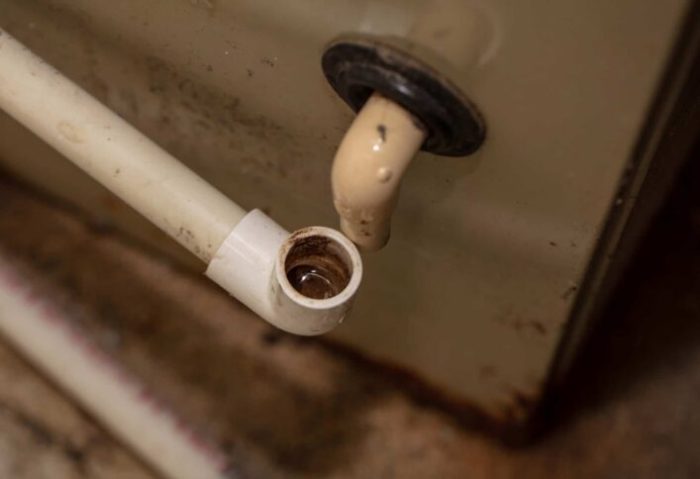
One of the most common AC drainage problems is a clogged drain line. This can happen due to a buildup of dirt, debris, or algae in the line, preventing proper drainage of the condensate water. Symptoms of a clogged drain line include water leakage around the indoor unit, musty odors, or reduced cooling efficiency. If left untreated, a clogged drain line can lead to water damage and mold growth in your home.
Frozen Evaporator Coil
Another common issue that can cause drainage problems is a frozen evaporator coil. This can occur when there is a lack of airflow over the coil, causing it to freeze and eventually thaw, leading to excess water in the drain pan. Signs of a frozen evaporator coil include reduced cooling capacity, warm air blowing from the vents, and water pooling around the unit. It’s important to address this issue promptly to prevent further damage to your AC system.
Improper Installation
Improper installation of the AC unit can also result in drainage problems. If the unit is not level or the drain line is not properly positioned, it can lead to water pooling around the unit or inadequate drainage of condensate water. This can impact the overall performance of the AC system and may result in costly repairs if not addressed in a timely manner.
Low Refrigerant Levels
Low refrigerant levels can also contribute to AC drainage issues. When refrigerant levels are low, the evaporator coil may not be able to absorb enough heat, causing it to freeze and eventually thaw, leading to excess water in the drain pan. Symptoms of low refrigerant levels include reduced cooling capacity, warm air blowing from the vents, and hissing noises coming from the unit. It’s important to have a professional HVAC technician inspect and recharge the refrigerant levels to prevent further damage to your AC system.
Causes of AC Drainage Problems
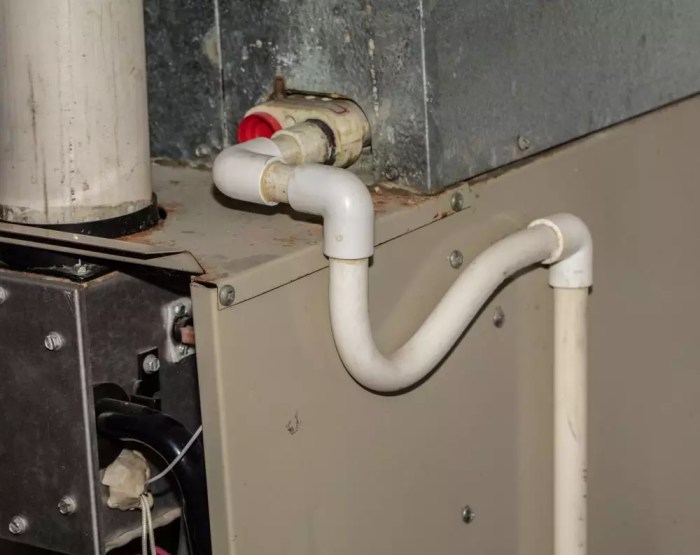
AC drainage problems can be caused by a variety of factors that affect the system’s ability to remove excess moisture. Understanding these causes is essential for effective troubleshooting and maintenance.
Clogs in the Drain Line
One of the most common causes of AC drainage issues is clogs in the drain line. Over time, dirt, debris, and algae can accumulate in the drain line, restricting the flow of water and causing backups. This can lead to water leaks and potential damage to the system.
Improving the efficiency of your air conditioner not only helps in saving energy but also reduces your utility bills. Simple steps like regular maintenance, cleaning or replacing filters, and optimizing the thermostat settings can significantly boost your AC’s performance. To explore more tips on how to improve air conditioner efficiency, check out How to improve air conditioner efficiency.
Leaking or Damaged Components
Leaking or damaged components such as the condensate pan, evaporator coil, or drain line can also contribute to AC drainage problems. If these components are not functioning properly, water may not be properly collected and removed from the system, leading to leaks and water damage.
Regular professional AC tune-ups offer numerous benefits for your air conditioning system. It helps in improving efficiency, extending the lifespan of the unit, and reducing the risk of unexpected breakdowns. To learn more about the benefits of professional AC tune-ups, you can visit Benefits of professional AC tune-ups.
Improper Installation
Improper installation of the AC unit can also result in drainage issues. If the drain line is not correctly positioned or has sharp bends or kinks, water may not be able to flow freely, causing backups and leaks. It is essential to ensure that the AC unit is installed correctly to prevent drainage problems.
Low Refrigerant Levels
Low refrigerant levels can impact the performance of the AC system and lead to issues with drainage. When refrigerant levels are low, the evaporator coil may not be able to remove moisture effectively, causing water to accumulate and potentially overflow. Regular maintenance and monitoring of refrigerant levels can help prevent this issue.
Preparing your central air conditioner for winter is crucial to ensure it runs efficiently when you need it. By following the right steps to winterize your AC unit, you can prevent damage from freezing temperatures and prolong its lifespan. For a detailed guide on how to winterize your central air conditioner, visit How to winterize your central air conditioner.
Troubleshooting Steps
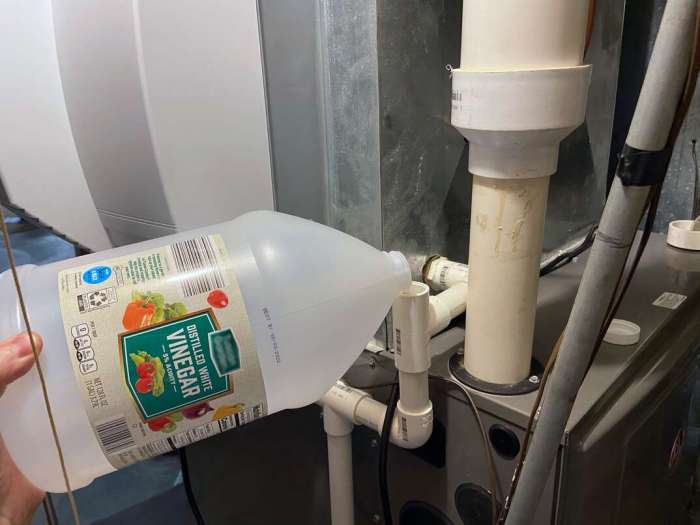
When facing AC drainage problems, it is essential to follow a step-by-step guide to identify and resolve the issue promptly. One of the initial steps is to visually inspect the drainage system to look for any visible signs of blockage or leakage. Additionally, using specific tools or equipment can aid in troubleshooting and pinpointing the root cause of the problem.
Visual Inspection of the Drainage System
Perform a thorough visual inspection of the AC drainage system to check for any obstructions or leaks. Look for the following:
- Check the condensate drain line for clogs or blockages.
- Inspect the drain pan for standing water or signs of leakage.
- Examine the evaporator coil for debris or dirt accumulation.
Using Tools for Troubleshooting, Tips for troubleshooting AC drainage problems
Utilize the following tools or equipment to aid in troubleshooting AC drainage problems:
- A wet/dry vacuum to remove any clogs from the drain line.
- An air compressor to blow out debris from the drain line.
- A condensate pump to help remove excess water from the system.
DIY Solutions
When it comes to addressing common AC drainage issues, DIY solutions can be effective in saving time and money. Regular maintenance is key in preventing drainage problems, and knowing how to clean or unclog AC drainage lines can help maintain optimal performance.
Importance of Regular Maintenance
Regular maintenance of your AC unit is crucial in preventing drainage problems. By keeping your unit clean and well-maintained, you can ensure proper drainage and avoid blockages that can lead to leaks or inefficiencies. Here are some DIY tips for maintaining your AC unit:
- Regularly clean or replace air filters to prevent clogs.
- Clear debris and obstructions around the outdoor unit to ensure proper airflow.
- Inspect and clean the evaporator coil to prevent mold and mildew buildup.
- Check and clean the condensate drain line to prevent blockages.
Cleaning or Unclogging AC Drainage Lines
Unclogging AC drainage lines is a common issue that can be resolved with DIY methods. Here’s how you can clean or unclog AC drainage lines:
- Locate the condensate drain line and remove any blockages using a wet/dry vacuum or a plumber’s snake.
- Flush the drain line with a mixture of water and vinegar to remove buildup and prevent future clogs.
- Install a drain line cleaning kit to help maintain clear drainage lines.
Closure: Tips For Troubleshooting AC Drainage Problems
In conclusion, mastering the art of troubleshooting AC drainage problems is essential for maintaining optimal performance. By following the steps Artikeld in this guide, you can ensure your AC system runs smoothly and efficiently.
Also Read: Importance Of Regular Ac Tune-Ups