

How To Clean Air Conditioner Vents Properly
How to clean air conditioner vents properly begins with understanding the significance of clean vents for air quality and energy efficiency. From the tools needed to deep cleaning techniques, this guide covers all aspects for maintaining a healthy environment.
The following sections will delve into the step-by-step process, safety precautions, and maintenance tips to ensure your air conditioner vents are in top condition.
Importance of Cleaning Air Conditioner Vents
Regularly cleaning air conditioner vents is crucial for maintaining a healthy indoor environment and ensuring the efficiency of the HVAC system. Neglecting vent cleaning can lead to a variety of issues that can impact both the air quality in your home and the overall performance of your air conditioning unit.
Consequences of Neglecting Vent Cleaning, How to clean air conditioner vents properly
- Accumulation of dust, dirt, and debris can clog the vents, restricting airflow and reducing the efficiency of the system.
- This can cause the air conditioner to work harder to cool your home, leading to increased energy consumption and higher utility bills.
- Dirty vents can also harbor allergens, mold, and bacteria, which can circulate in the air and negatively affect indoor air quality.
- Poor indoor air quality can trigger allergies, asthma, and other respiratory issues, especially in individuals with sensitivities to airborne particles.
Benefits of Clean Vents
- Clean air conditioner vents promote better airflow, allowing the system to operate more efficiently and effectively.
- Improved airflow helps maintain consistent temperatures throughout your home, enhancing comfort levels for occupants.
- Reduced strain on the HVAC system can prolong its lifespan and prevent costly repairs or premature breakdowns.
- Clean vents can prevent the circulation of harmful pollutants, ensuring a healthier indoor environment for you and your family.
Tools and Supplies Needed
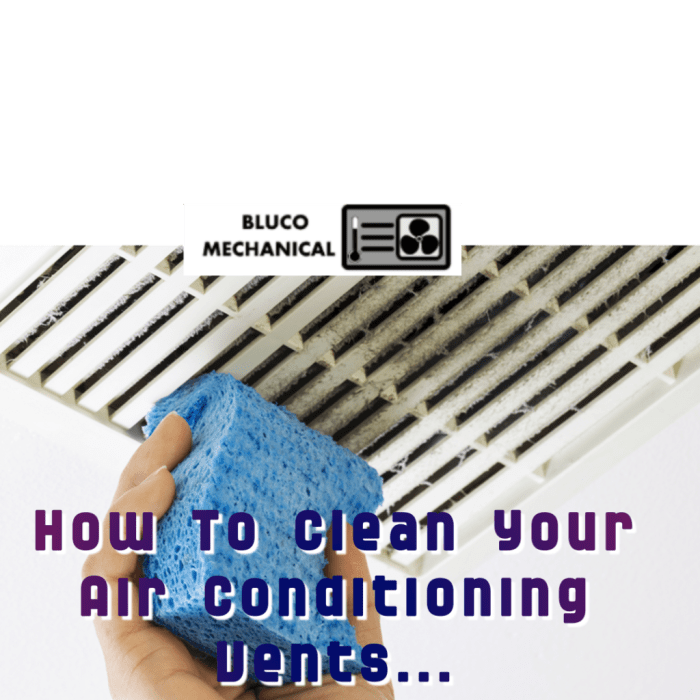
When it comes to cleaning air conditioner vents properly, having the right tools and supplies is crucial to ensure thorough cleaning and maintenance of your unit. Let’s take a look at the essential items you will need for this task.
Tools Required:
- Screwdriver: To remove the vent covers for easy access to the vents.
- Soft-bristled brush: Ideal for gently dislodging dust and debris from the vents.
- Vacuum cleaner with brush attachment: Helps in sucking up loosened dirt and dust from the vents.
- Fin comb: Useful for straightening any bent fins on the air conditioner unit.
Supplies Needed:
- Cleaning solution: A mild detergent mixed with water can be used to clean the vent covers and surrounding areas.
- Microfiber cloths: These are great for wiping down the vent covers and removing any remaining dirt.
- Bleach solution: For disinfecting the vents and preventing mold growth.
- Cotton swabs: Perfect for reaching tight spaces and corners for thorough cleaning.
Importance of Safety Gear:
Wearing safety gear is essential when cleaning air conditioner vents to protect yourself from potential hazards. Here are some safety gear items you should consider using:
- Gloves: Protect your hands from sharp edges and chemicals while handling the vents.
- Goggles: Shield your eyes from dust, debris, and cleaning solutions that may splash during the cleaning process.
- Face mask: Prevent inhaling dust particles and allergens while cleaning the vents.
Preparing for Vent Cleaning
Before cleaning your air conditioner vents, it is crucial to properly prepare the area to ensure a safe and effective cleaning process. This involves turning off the air conditioner, accessing the vents safely, and gathering the necessary tools and supplies.
Turning Off the Air Conditioner
- Before starting the cleaning process, make sure to turn off the air conditioner to prevent any accidents or injuries.
- Shut off the power supply to the unit to avoid any electrical mishaps while cleaning the vents.
Accessing the Vents Safely
- Locate the vents on your air conditioner unit and ensure that there is easy access to them for cleaning.
- Use a sturdy ladder if the vents are located at a height to reach them safely without straining yourself.
- Wear protective gear such as gloves and goggles to prevent any dust or debris from getting into your eyes or skin.
Gathering Tools and Supplies
- Prepare a vacuum cleaner with a brush attachment to effectively remove dust and debris from the vents.
- Have a screwdriver or appropriate tool ready to remove the vent covers for thorough cleaning.
- Get a damp cloth or microfiber cloth to wipe down the vent covers and surrounding areas after vacuuming.
Cleaning Methods
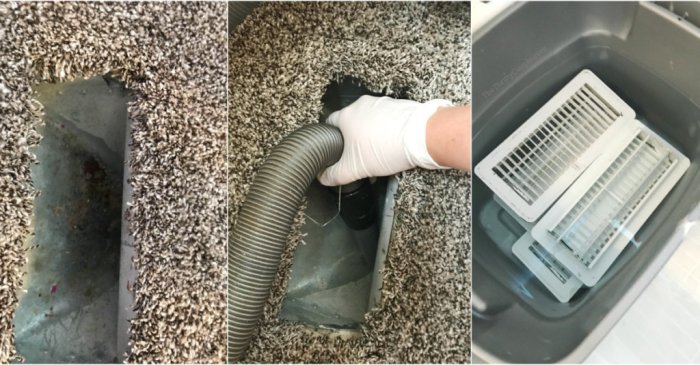
When it comes to cleaning air conditioner vents, there are various methods that can be used to effectively remove dust, dirt, and debris. These methods range from simple DIY techniques to professional cleaning services. Each method has its own advantages and effectiveness based on the level of contamination in the vents.
Using a Vacuum
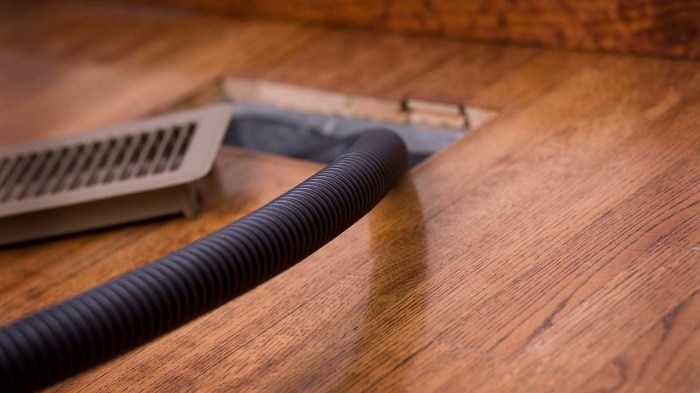
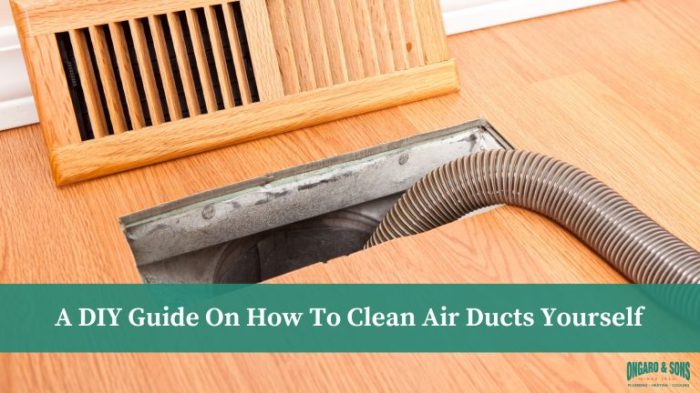
Using a vacuum cleaner with a hose attachment is a common and effective method for cleaning air conditioner vents. The suction power of the vacuum can help to remove loose dust and debris from the vents, preventing them from circulating in the air. It is important to use a vacuum with a brush attachment to reach into crevices and corners of the vents for thorough cleaning.
Using a Brush
Another DIY method for cleaning air conditioner vents is using a brush to dislodge dust and debris. A soft-bristled brush can be used to gently sweep away dirt from the vent surfaces. This method is effective for light to moderate buildup and can be done regularly as part of routine maintenance.
Using Compressed Air
Compressed air can be used to blow out dust and debris from air conditioner vents. This method is quick and efficient, especially for hard-to-reach areas. However, it is important to use caution when using compressed air to avoid pushing the dirt further into the vents or dislodging any components.
DIY Cleaning vs Professional Cleaning Services
DIY cleaning methods can be effective for regular maintenance and light buildup in air conditioner vents. However, for deep cleaning and heavy contamination, professional cleaning services may be necessary. Professionals have specialized tools and equipment to thoroughly clean the vents and ensure optimal performance of the air conditioner.
Tips for Effective Cleaning
– Start by turning off the air conditioner to prevent dust from circulating.
– Use a flashlight to inspect the vents for visible dirt and debris.
– Wear a mask and gloves to protect yourself from allergens and dust.
– Clean the vents regularly to maintain good air quality and prevent blockages.
– Consider scheduling professional cleaning services for a thorough and deep clean.
Deep Cleaning Techniques
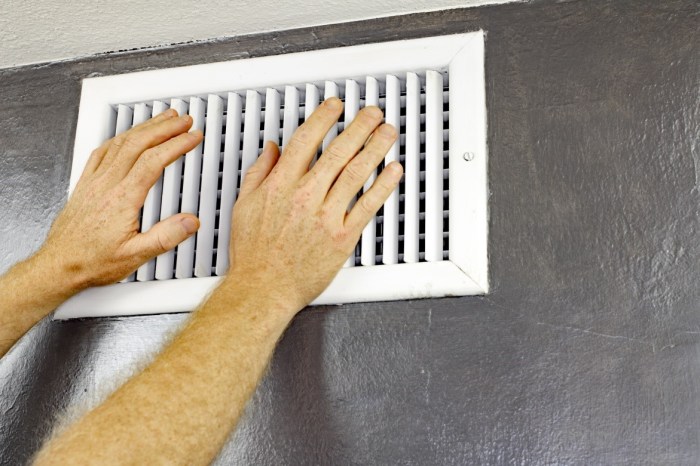
To ensure the optimal performance of your air conditioner and maintain good air quality in your home, it is important to go beyond surface cleaning and perform deep cleaning techniques on your air conditioner vents. This involves disassembling and thoroughly cleaning the vent covers to remove any accumulated dust, dirt, and debris that can hinder proper airflow.
Disassembling and Cleaning Vent Covers
When deep cleaning your air conditioner vents, start by carefully removing the vent covers. Depending on the type of vent covers you have, you may need a screwdriver or simply need to lift and pull them out. Once removed, use a vacuum cleaner with a brush attachment to remove loose dirt and debris from the vent covers.
Next, fill a bucket with warm water and a mild detergent. Submerge the vent covers in the soapy water and use a soft-bristled brush to scrub away any stubborn dirt and grime. Rinse the covers thoroughly with clean water and allow them to air dry completely before reattaching them to the vents.
Preventing Mold and Mildew Growth
To prevent mold and mildew growth in your air conditioner vents, it is essential to keep them clean and dry. After deep cleaning the vent covers, ensure that they are completely dry before reattaching them to the vents. Additionally, consider using a mold and mildew inhibitor spray on the vent covers to prevent the growth of these harmful substances.
Regularly inspect your air conditioner vents for any signs of mold or mildew, such as musty odors or discoloration. If you notice any growth, take immediate action to clean and disinfect the affected areas to prevent it from spreading further.
By incorporating these deep cleaning techniques into your regular air conditioner maintenance routine, you can ensure that your vents remain clean and free of contaminants, providing you with clean and fresh air throughout your home.
Maintenance Tips: How To Clean Air Conditioner Vents Properly
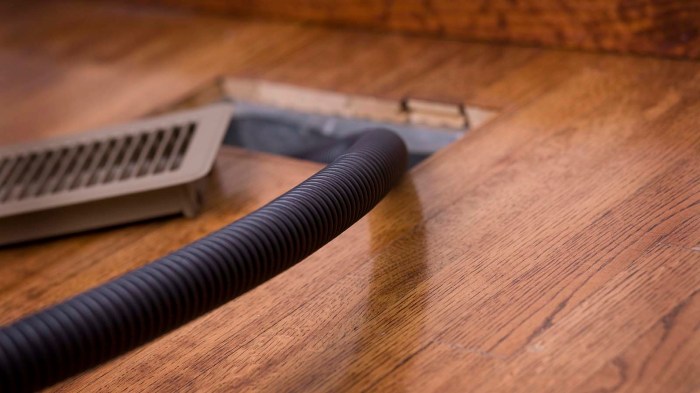
Maintaining clean air conditioner vents is crucial for the optimal performance of your cooling system. Here are some maintenance tips to keep your air conditioner vents clean between deep cleanings.
Frequency of Cleaning
Regular cleaning of air conditioner vents is essential to ensure efficient airflow and prevent the buildup of dust and debris. It is recommended to clean your vents at least once every three months to maintain good air quality and prolong the life of your air conditioner.
Preventive Measures
To prevent future buildup in air conditioner vents, consider implementing the following strategies:
- Regularly change or clean the air filters in your HVAC system to prevent dust and dirt from accumulating in the vents.
- Keep the surrounding area of the vents clean and free from debris to minimize the introduction of contaminants into the system.
- Consider installing a UV light system in your air conditioner to kill mold and bacteria that can cause blockages in the vents.
Professional Maintenance
In addition to regular cleaning and preventive measures, consider scheduling professional maintenance for your air conditioner vents at least once a year. A professional HVAC technician can thoroughly clean and inspect the vents, ensuring optimal performance and identifying any potential issues before they escalate.
Final Thoughts
In conclusion, keeping your air conditioner vents clean is essential for optimal performance and air quality. By following the tips and techniques Artikeld in this guide, you can enjoy a comfortable and healthy indoor environment.
Improving air conditioner efficiency is crucial for reducing energy consumption and saving costs. Regular maintenance such as cleaning the filters and coils can significantly enhance performance. Additionally, optimizing the thermostat settings and sealing any leaks in the ductwork can further improve efficiency.
For more tips on how to enhance your air conditioner’s efficiency, check out this informative guide on improving air conditioner efficiency.
Changing air filters regularly is essential for maintaining good indoor air quality and maximizing the lifespan of your air conditioner. Clogged filters can restrict airflow, causing the system to work harder and consume more energy. By replacing filters every 1-3 months, you can ensure optimal performance and prevent costly repairs.
Also Read: Importance Of Regular Ac Tune-Ups
Learn more about the importance of changing air filters regularly to keep your AC running efficiently.
Performing DIY air conditioner maintenance tasks can help keep your system running smoothly and efficiently. Simple tasks such as cleaning the condenser coils, checking refrigerant levels, and lubricating moving parts can improve performance and extend the lifespan of your AC unit.
By following a comprehensive DIY air conditioner maintenance guide , you can save money on professional services and ensure your system operates optimally.