Tips For Maintaining Ductless Mini-Split Ac Units
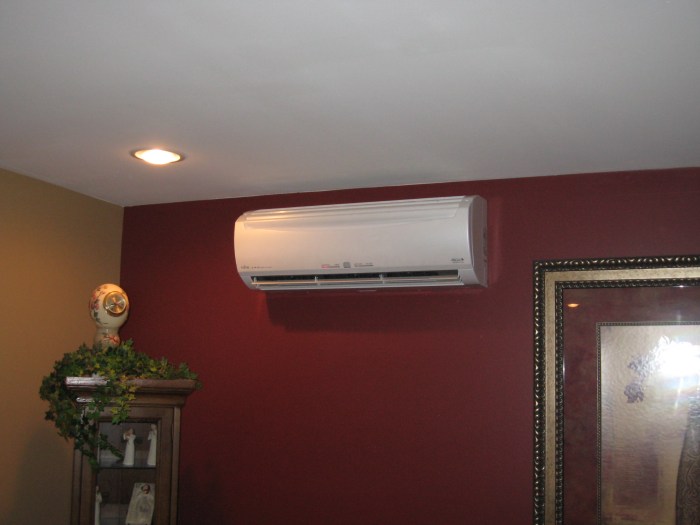
Tips for maintaining ductless mini-split AC units take the spotlight in this comprehensive guide, shedding light on the importance of regular upkeep, cleaning procedures, airflow checks, refrigerant leak inspections, programming tips, and the role of professional maintenance. Dive into the world of HVAC care with expert advice and valuable insights.
Importance of Regular Maintenance
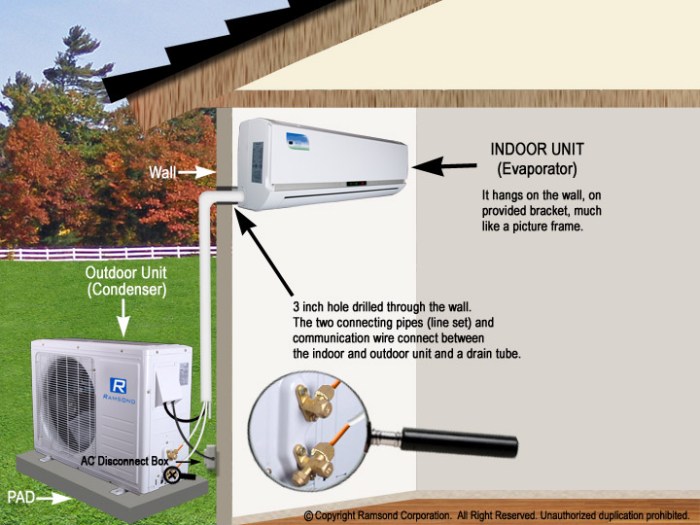
Regular maintenance is crucial for ductless mini-split AC units to ensure optimal performance, energy efficiency, and longevity of the system. Neglecting maintenance tasks can lead to various issues that can affect the overall functionality of the unit and result in costly repairs or replacements.
Potential Consequences of Neglected Maintenance
- Reduced cooling capacity: Dust and debris buildup can restrict airflow, causing the unit to struggle to cool the space effectively.
- Increased energy consumption: A dirty or poorly maintained system will require more energy to operate, leading to higher utility bills.
- Shortened lifespan: Lack of maintenance can accelerate wear and tear on components, leading to premature system failure.
- Poor indoor air quality: Accumulated dirt and mold in the system can circulate throughout the room, affecting air quality and potentially causing health issues.
Benefits of Regular Maintenance
- Improved efficiency: Regular cleaning and maintenance help the system operate at peak efficiency, reducing energy consumption and saving money on utility bills.
- Extended lifespan: By keeping up with maintenance tasks, you can prolong the lifespan of your ductless mini-split AC unit, avoiding the need for early replacements.
- Enhanced indoor air quality: Clean filters and coils promote better indoor air quality, reducing allergens and pollutants in the air.
- Prevent costly repairs: Routine maintenance can help identify potential issues early on, allowing for timely repairs and preventing major breakdowns that could be expensive to fix.
Cleaning Procedures

Regular cleaning of ductless mini-split AC units is essential to ensure optimal performance and longevity of the system. By following the proper cleaning procedures, you can prevent issues such as reduced efficiency, foul odors, and mold growth. It is important to know which specific parts of the unit need cleaning and how often to maintain a healthy indoor environment.
Indoor Unit Cleaning
- Clean the filters: The filters should be cleaned every 2 weeks during peak usage times. Remove the filters from the unit and gently wash them with mild soap and water. Allow them to dry completely before reinserting.
- Clean the coils: Use a soft brush or vacuum cleaner with a brush attachment to remove dust and debris from the indoor unit’s coils. Avoid using harsh chemicals that could damage the coils.
- Clean the blower wheel: The blower wheel can accumulate dust and dirt over time, affecting airflow. Carefully clean the blades of the blower wheel to ensure proper air circulation.
Outdoor Unit Cleaning
- Clean the exterior: Remove any debris, leaves, or vegetation that may be blocking the outdoor unit. Use a hose to gently rinse off dirt and grime from the unit’s exterior to prevent airflow obstruction.
- Straighten fins: Use a fin comb or a gentle brush to straighten any bent fins on the outdoor unit. This will help maintain proper airflow and cooling efficiency.
- Clean the condenser coils: Carefully clean the condenser coils using a soft brush or vacuum cleaner to remove dirt and debris. Keeping the coils clean helps the unit operate more efficiently.
Importance of Using the Right Cleaning Products and Tools
It is crucial to use the right cleaning products and tools when maintaining ductless mini-split AC units to avoid causing damage to the system. Here are some tips to keep in mind:
- Use mild soap and water for cleaning filters and coils to prevent corrosion and damage.
- Avoid using strong chemicals or abrasive materials that could harm the unit’s components.
- Invest in a fin comb or brush specifically designed for cleaning the fins on the outdoor unit to avoid bending or damaging them.
Checking for Airflow Issues
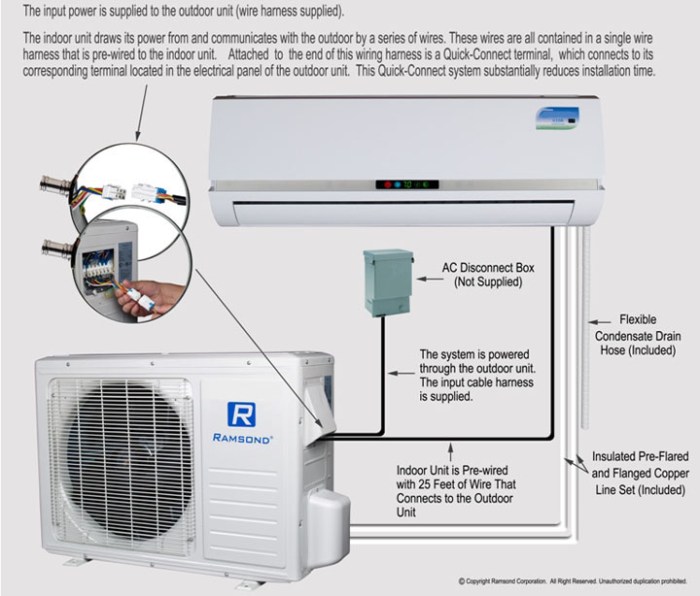
When it comes to maintaining ductless mini-split AC units, checking for airflow issues is crucial to ensure optimal performance and efficiency. Poor airflow can lead to various problems, including reduced cooling capacity, increased energy consumption, and even system malfunctions. Therefore, it is essential to regularly inspect and address any airflow issues promptly.
How to Check for Airflow Issues
- Inspect air filters: Clogged or dirty air filters can restrict airflow. Make sure to clean or replace filters as needed.
- Check for obstructions: Ensure that there are no blockages around the indoor and outdoor units that could impede airflow.
- Examine vents and registers: Make sure that vents and registers are not blocked or closed, as this can affect airflow distribution.
- Test airflow: Use a tissue or lightweight paper near the vents to feel the airflow. Weak airflow may indicate an issue.
Impact of Poor Airflow on Efficiency
Poor airflow can significantly impact the efficiency of ductless mini-split AC units. When airflow is restricted, the system has to work harder to cool the space, leading to increased energy consumption and higher utility bills. Additionally, inadequate airflow can cause the system to overheat, reducing its lifespan and potentially requiring costly repairs.
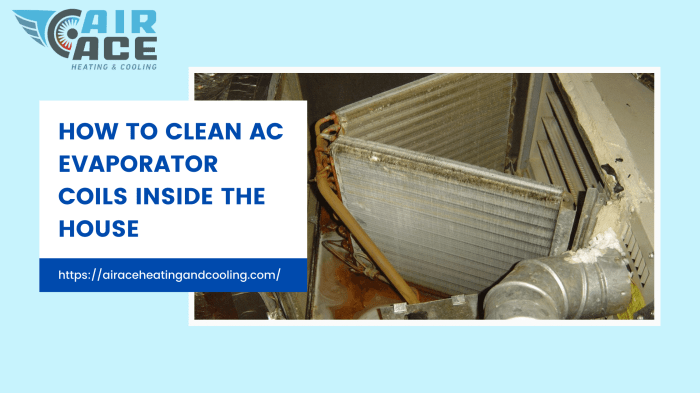
Also Read: Guide To Cleaning Ac Evaporator Coils
Tips to Improve Airflow
- Clean or replace air filters regularly to ensure proper airflow.
- Remove any obstructions around the indoor and outdoor units to allow for unrestricted airflow.
- Ensure that vents and registers are open and unblocked to optimize airflow distribution.
- Consider scheduling professional maintenance to clean the internal components and optimize airflow.
Inspecting for Refrigerant Leaks: Tips For Maintaining Ductless Mini-split AC Units
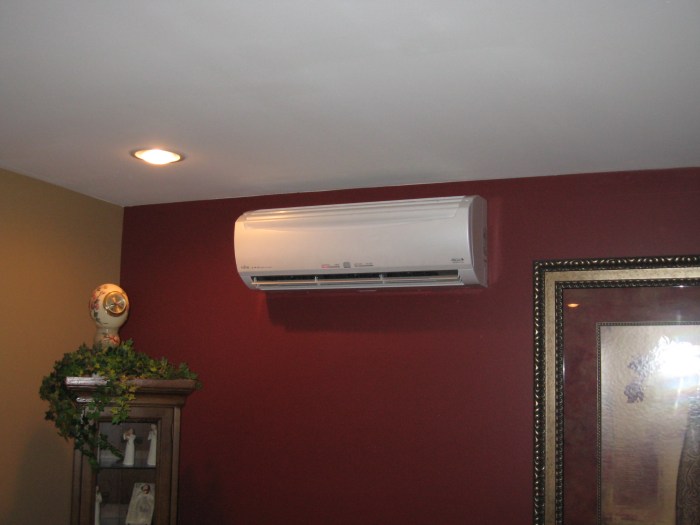
Inspecting ductless mini-split AC units for refrigerant leaks is a crucial maintenance task that helps ensure the efficiency and effectiveness of the system. Refrigerant leaks can lead to decreased cooling performance, higher energy consumption, and potential damage to the compressor.
Process of Inspecting for Refrigerant Leaks
- Visual Inspection: Check for any visible signs of oil or refrigerant leaks around the unit or on the refrigerant lines.
- Electronic Leak Detection: Use electronic leak detectors to pinpoint the exact location of any leaks in the system.
- Dye Test: Inject UV dye into the refrigerant lines and components to identify leaks under UV light.
- Pressure Test: Conduct a pressure test to determine if there are any leaks in the system by pressurizing it with nitrogen.
Dangers of Refrigerant Leaks and Impact on the Environment, Tips for maintaining ductless mini-split AC units
- Health Risks: Refrigerant leaks can release harmful gases into the air, leading to health issues such as respiratory problems, dizziness, and nausea.
- Environmental Impact: Refrigerant gases contribute to ozone depletion and global warming, making leaks environmentally damaging.
Recommendations for Addressing and Fixing Refrigerant Leaks
- Sealing Leaks: Once leaks are identified, they should be sealed promptly to prevent further refrigerant loss.
- Recharging Refrigerant: After fixing leaks, the system may need to be recharged with the appropriate amount of refrigerant.
- Professional Maintenance: Regular professional maintenance can help prevent and address refrigerant leaks effectively.
Programming and Settings
Programming and setting the right parameters on ductless mini-split AC units is crucial for optimizing energy efficiency and ensuring maximum comfort in your living space. By properly configuring the settings, you can tailor the operation of your mini-split to your specific needs and preferences.
Optimizing Settings for Energy Efficiency and Comfort
- Set the temperature to the most comfortable level: Adjust the temperature settings to ensure that your space remains comfortable without unnecessary cooling or heating.
- Utilize the timer function: Take advantage of the timer feature to program your mini-split to operate only when needed, reducing energy consumption when you are not at home or during sleeping hours.
- Enable the fan-only mode: In mild weather, consider using the fan-only mode to circulate air without heating or cooling, providing a comfortable environment without using additional energy.
- Explore the different modes: Experiment with the various modes available on your mini-split, such as auto, cool, heat, or dehumidify, to find the most energy-efficient and comfortable setting for each season.
Benefits of Utilizing Programmable Features
- Customized comfort: Programmable features allow you to customize the operation of your mini-split based on your schedule and preferences, ensuring that your living space is always at the ideal temperature.
- Energy savings: By programming your mini-split to operate only when necessary, you can reduce energy consumption and lower your utility bills without sacrificing comfort.
- Convenience: Set-and-forget programming enables you to automate the operation of your mini-split, eliminating the need for manual adjustments throughout the day.
- Precision control: Programmable features provide precise control over temperature, fan speed, and other settings, allowing you to create the perfect indoor environment for any scenario.
Professional Maintenance
Professional maintenance plays a crucial role in ensuring the optimal performance and longevity of ductless mini-split AC units. While regular cleaning and basic maintenance tasks can be done by homeowners, certain aspects require the expertise of professionals to identify and address potential issues before they escalate.
Advantages of Hiring Professionals
- Expertise: HVAC professionals have the knowledge and training to properly inspect, diagnose, and repair any issues with ductless mini-split AC units.
- Efficiency: Professional maintenance can help improve the efficiency of the system, leading to lower energy bills and better performance.
- Preventive Maintenance: Regular professional servicing can help prevent major breakdowns and costly repairs in the future.
- Warranty Compliance: Some manufacturers require professional maintenance to keep the warranty valid, ensuring that any repairs needed are covered.
Frequency of Professional Maintenance
It is recommended to schedule professional maintenance for ductless mini-split AC units at least once a year. However, if the unit is used frequently or in a dusty environment, more frequent maintenance may be necessary. Regular inspections by professionals can help identify and address any issues early on, ensuring the system continues to operate efficiently.
Summary
In conclusion, the key to ensuring optimal performance and longevity of ductless mini-split AC units lies in following these maintenance tips diligently. By staying proactive and attentive to your system’s needs, you can enjoy efficient cooling and savings in the long run.
Preventive maintenance for central air conditioning systems is crucial to ensure optimal performance and longevity. Regular maintenance tasks such as cleaning or replacing filters, checking electrical connections, and lubricating moving parts can prevent costly breakdowns. By following a comprehensive maintenance schedule, homeowners can avoid unexpected repairs and extend the lifespan of their AC unit.
For more information on preventive maintenance tips, visit Preventive maintenance for central air conditioning systems.
To reduce AC energy consumption, homeowners can implement simple strategies such as setting the thermostat to a higher temperature, using ceiling fans to circulate air, and sealing any air leaks in the home. Regular maintenance, such as cleaning coils and replacing air filters, can also improve energy efficiency.
By adopting energy-saving habits and scheduling annual check-ups, homeowners can lower their electricity bills and reduce their carbon footprint. Learn more about reducing AC energy consumption at How to reduce AC energy consumption.
Checking refrigerant levels in AC is essential for optimal cooling performance. Low refrigerant levels can lead to reduced efficiency and potential damage to the compressor. Homeowners can check refrigerant levels by using a pressure gauge or consulting a professional HVAC technician.
Regular inspections and maintenance can ensure that the AC system is running smoothly and efficiently. For a detailed guide on how to check refrigerant levels in AC, visit How to check refrigerant levels in AC.