Preventive Maintenance For Central Air Conditioning Systems
Preventive maintenance for central air conditioning systems takes center stage, as this vital practice not only ensures optimal performance but also helps in saving costs in the long run. By understanding the key components, maintenance frequency, DIY versus professional services, cost considerations, and early issue detection, homeowners can effectively maintain their systems and avoid major breakdowns.
Importance of Preventive Maintenance
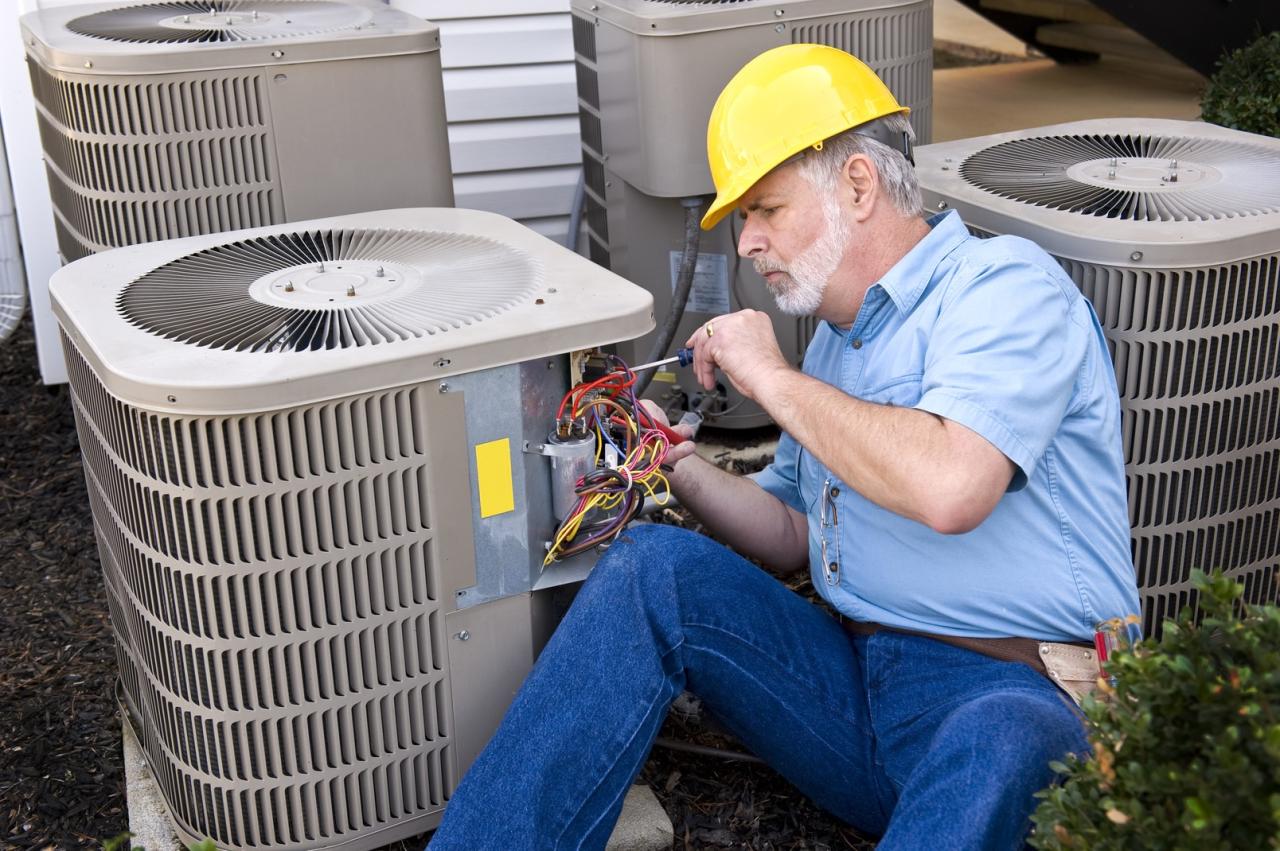
Regular preventive maintenance for central air conditioning systems is crucial in ensuring the system operates efficiently and effectively. By conducting routine maintenance, potential issues can be identified and addressed before they escalate into major problems, leading to costly repairs or system breakdowns.
Efficiency and Cost Savings
- Improved Efficiency: Preventive maintenance helps to keep the central air conditioning system running smoothly, maximizing its efficiency and performance. Clean filters, coils, and components allow the system to operate at its optimal level, reducing energy consumption and lowering utility bills.
- Extended Lifespan: By maintaining the system regularly, the lifespan of the central air conditioner is prolonged. This means that homeowners can delay the need for a costly replacement, saving money in the long run.
- Cost Savings: Investing in preventive maintenance can save money on costly repairs that could have been prevented. Small issues that are caught early on through maintenance can be fixed at a lower cost, preventing the need for major repairs or replacements down the line.
Common Issues Prevented by Maintenance
- Refrigerant Leaks: Regular maintenance checks can identify refrigerant leaks early on, preventing a loss of cooling capacity and reducing the risk of compressor damage.
- Clogged Filters: Dirty filters can restrict airflow, causing the system to work harder and consume more energy. By replacing or cleaning filters regularly, this issue can be avoided.
- Dirty Coils: Dirt and debris buildup on coils can reduce the system’s efficiency and cooling capacity. Cleaning the coils as part of preventive maintenance can help maintain peak performance.
Components of Central Air Conditioning Systems
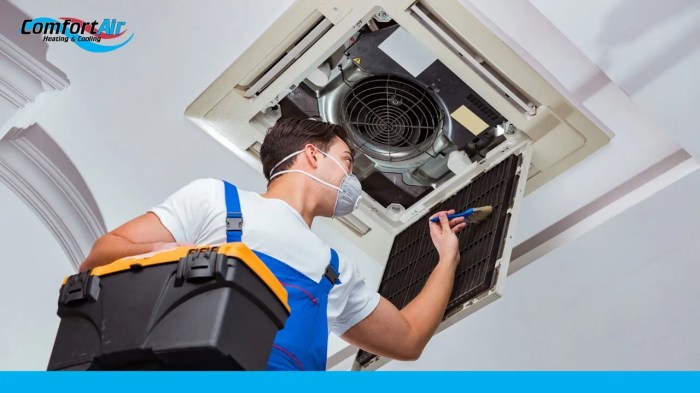
Central air conditioning systems consist of several key components that require regular preventive maintenance to ensure optimal performance and efficiency. Neglecting maintenance can lead to decreased system efficiency, higher energy bills, and potential breakdowns. Let’s explore the main components and the specific maintenance tasks required for each:
Air Filters
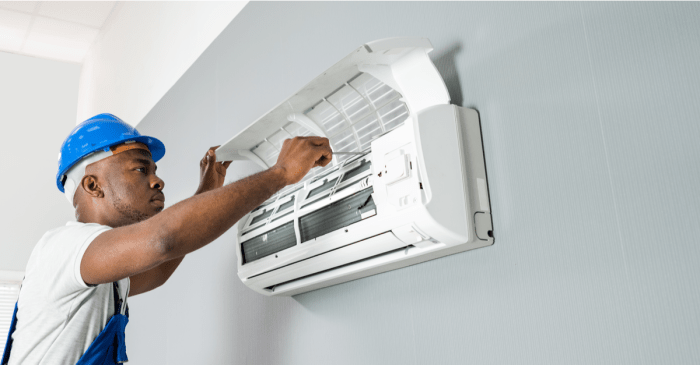
Air filters are crucial components of central air conditioning systems as they help to trap dust, dirt, and other particles, preventing them from entering the system. Regularly changing or cleaning air filters is essential to maintain proper airflow and indoor air quality. Clogged filters can restrict airflow, causing the system to work harder and consume more energy. Neglecting filter maintenance can lead to reduced cooling efficiency, increased energy consumption, and potential damage to the system.
Coils
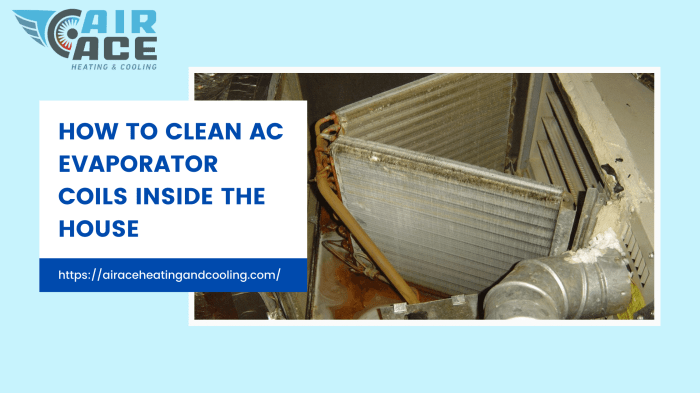
The evaporator and condenser coils in central air conditioning systems play a vital role in the heat transfer process. Over time, these coils can accumulate dirt, dust, and debris, reducing their ability to absorb and release heat efficiently. Regular cleaning of the coils is necessary to maintain optimal heat exchange and prevent overheating of the system. Neglecting coil maintenance can result in decreased cooling capacity, higher energy costs, and compressor failure.
Ducts
Ductwork is responsible for distributing cooled air throughout the building. Leaks, gaps, or blockages in the ducts can lead to inefficient airflow, uneven cooling, and increased energy consumption. Regular inspection and cleaning of ducts are essential to ensure proper airflow and maximize system performance. Neglecting duct maintenance can result in poor indoor air quality, reduced comfort, and higher energy bills.
Thermostat
The thermostat controls the operation of the central air conditioning system, regulating temperature settings and ensuring efficient operation. Regular calibration and maintenance of the thermostat are necessary to maintain accurate temperature control and prevent system malfunctions. Neglecting thermostat maintenance can lead to temperature fluctuations, uneven cooling, and unnecessary energy consumption.
Frequency and Timing of Maintenance
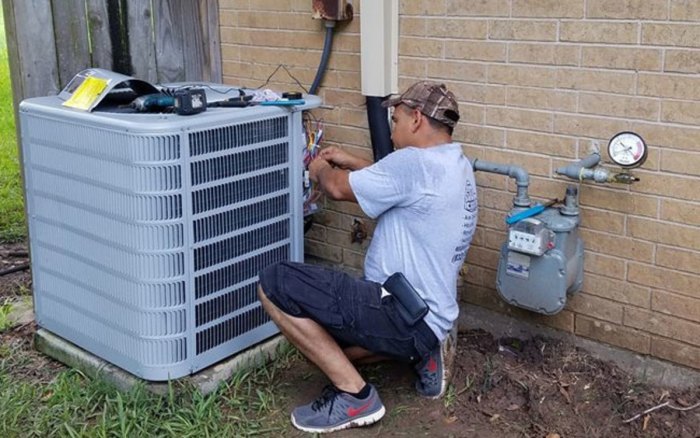
Regular maintenance is crucial for the optimal performance and longevity of central air conditioning systems. Here, we will discuss the recommended maintenance schedule, seasonal variations in maintenance needs, and how to determine if maintenance is needed sooner than scheduled.
Maintenance Schedule, Preventive maintenance for central air conditioning systems
Maintaining a central air conditioning system should include regular check-ups and tune-ups. Here is a general maintenance schedule to follow:
- Monthly: Check and replace air filters as needed.
- Every 3 months: Inspect and clean the evaporator and condenser coils.
- Annually: Schedule a professional HVAC technician to perform a comprehensive inspection and tune-up.
Seasonal Variations
Maintenance needs can vary depending on the season. Here are some seasonal considerations for central air conditioning systems:
- Spring: Prepare the system for heavy use by cleaning the coils, checking refrigerant levels, and ensuring all components are in working order.
- Summer: Monitor the system for any signs of strain or malfunction, such as reduced cooling capacity or strange noises.
- Fall: Remove debris from around the outdoor unit and check for any wear and tear that may have occurred during the summer months.
- Winter: Protect the system from harsh weather conditions by covering the outdoor unit and checking for any potential issues that may arise during the colder months.
Signs of Needed Maintenance
It’s essential to be proactive in detecting any signs that your central air conditioning system may need maintenance sooner than scheduled. Look out for the following indicators:
Also Read: Guide To Cleaning Ac Evaporator Coils
- Reduced airflow or uneven cooling throughout your home.
- Loud or unusual noises coming from the system.
- An increase in energy bills without a corresponding increase in usage.
- Frequent on/off cycling of the system.
DIY Maintenance vs. Professional Services
When it comes to maintaining central air conditioning systems, homeowners often debate between performing DIY maintenance tasks and hiring professional services. Both options have their advantages and disadvantages, which should be considered to ensure the system operates efficiently and lasts longer.
Advantages and Disadvantages
- DIY Maintenance:
- Advantages:
- Cost-effective as homeowners can save money by performing simple tasks themselves.
- Allows homeowners to have a better understanding of their system and its components.
- Flexibility in scheduling maintenance tasks according to their convenience.
- Disadvantages:
- Risk of causing damage to the system if tasks are not performed correctly.
- Lack of expertise and tools for more complex maintenance tasks.
- No professional evaluation of the system’s overall condition and potential issues.
- Advantages:
- Professional Services:
- Advantages:
- Trained technicians with expertise to identify and address issues effectively.
- Use of specialized tools and equipment for thorough maintenance and inspections.
- Regular maintenance schedules to ensure optimal performance and prevent major breakdowns.
- Disadvantages:
- Higher cost compared to DIY maintenance.
- Dependence on external service providers for maintenance needs.
- Potential scheduling conflicts and delays in getting professional help.
- Advantages:
Guidelines for DIY Maintenance Tasks
- Change or clean air filters regularly to maintain airflow and indoor air quality.
- Inspect and clean evaporator and condenser coils to improve system efficiency.
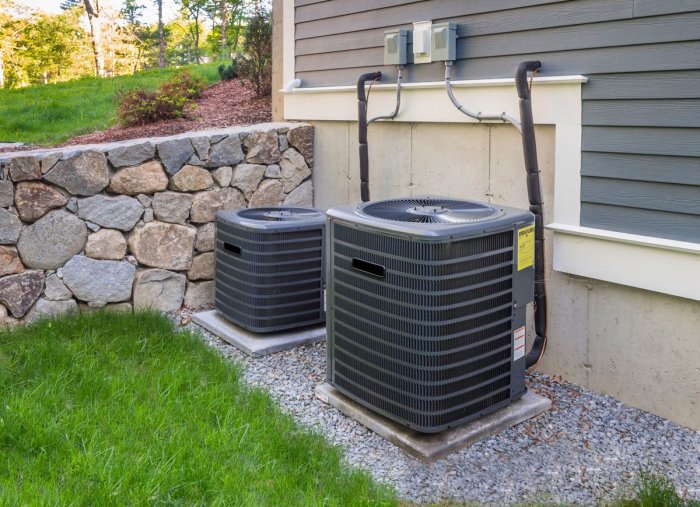
- Clear debris around the outdoor unit to ensure proper airflow and prevent overheating.
- Check and adjust thermostat settings for optimal comfort and energy savings.
When to Seek Professional Help
- If there are strange noises, odors, or inconsistent cooling performance from the system.
- For refrigerant leaks, electrical issues, or major component malfunctions.
- During annual or bi-annual maintenance checks for a comprehensive inspection and tune-up.
Cost Considerations and Budgeting: Preventive Maintenance For Central Air Conditioning Systems
When it comes to preventive maintenance for central air conditioning systems, cost considerations and budgeting play a crucial role in ensuring the system functions efficiently without breaking the bank. Understanding the typical costs associated with maintenance, along with effective budgeting strategies, can help homeowners save money in the long run while maintaining the system’s performance.
Typical Costs of Preventive Maintenance
- Annual maintenance contracts: HVAC companies typically offer annual maintenance contracts ranging from $150 to $500, depending on the services included.
- Filter replacements: Filters need to be replaced regularly, with costs ranging from $10 to $30 per filter.
- Refrigerant recharging: If the refrigerant levels are low, recharging can cost anywhere from $100 to $400.
- Cleaning and inspection: Professional cleaning and inspection services can cost around $100 to $200 per visit.
Tips on Budgeting and Potential Savings
- Set aside a maintenance fund: Allocate a specific amount each month for HVAC maintenance to avoid unexpected expenses.
- Compare service costs: Obtain quotes from multiple HVAC companies to find the most cost-effective option without compromising on quality.
- Invest in energy-efficient upgrades: Upgrading to energy-efficient components can lead to long-term savings on utility bills and maintenance costs.
- DIY maintenance: Performing simple maintenance tasks like filter replacements can help reduce overall maintenance expenses.
Cost-Effective Strategies for Maintaining System Efficiency
- Regular inspections: Conduct regular visual inspections of the system to identify potential issues early and prevent costly repairs.
- Proper airflow maintenance: Ensure that vents are clean and unobstructed to maintain optimal airflow and reduce strain on the system.
- Programmable thermostats: Investing in programmable thermostats can help optimize energy usage and reduce overall cooling costs.
- Seasonal maintenance: Schedule maintenance visits before the start of peak seasons to ensure the system is in top condition when needed the most.
Troubleshooting and Early Detection of Issues
Regular maintenance of central air conditioning systems is crucial not only for ensuring optimal performance but also for early detection of potential issues. By identifying problems early on, homeowners can prevent major breakdowns, costly repairs, and inconvenience. This proactive approach can extend the lifespan of the system and improve its efficiency.
Importance of Early Detection
Regular maintenance checks provide an opportunity to spot warning signs that indicate underlying issues within the central air conditioning system. Early detection allows for timely intervention, preventing minor problems from escalating into major malfunctions. This proactive approach can save homeowners from unexpected breakdowns, discomfort, and expensive repairs.
- Unusual noises such as grinding, squealing, or banging
- Inconsistent cooling or heating performance
- Frequent cycling on and off
- Leaking refrigerant or water around the unit
- Foul odors coming from the vents
Regular Maintenance for Troubleshooting
Regular maintenance not only helps in identifying potential issues but also aids in troubleshooting and preventing major breakdowns. During maintenance checks, technicians inspect and clean various components of the central air conditioning system, ensuring that everything is in proper working order. By addressing minor issues early on, technicians can prevent more significant problems from occurring, ultimately saving homeowners time, money, and inconvenience.
End of Discussion
In conclusion, regular preventive maintenance for central air conditioning systems is crucial for efficiency, cost savings, and system longevity. By following a well-structured maintenance schedule, being proactive in detecting issues, and considering cost-effective strategies, homeowners can enjoy a comfortable indoor environment without unexpected breakdowns or high repair costs.
Regular maintenance is crucial to ensure the efficiency and longevity of your air conditioner. By following this DIY air conditioner maintenance guide , you can keep your AC unit running smoothly. Additionally, understanding the benefits of regular AC maintenance can help you save money in the long run by preventing costly repairs.
One important aspect of maintenance is checking the refrigerant levels in your AC to ensure optimal performance.
When it comes to maintaining your air conditioner, following a DIY air conditioner maintenance guide is essential to keep it running efficiently. This guide provides step-by-step instructions on how to clean filters, coils, and vents to ensure optimal performance. By regularly performing these maintenance tasks, you can extend the lifespan of your AC unit and save on energy costs.
Check out this DIY air conditioner maintenance guide for more details.
Regular AC maintenance offers numerous benefits, including improved air quality, increased energy efficiency, and reduced repair costs. By scheduling routine maintenance checks, you can identify and address potential issues before they escalate into major problems. Additionally, proper maintenance can help prolong the lifespan of your air conditioner.
Learn more about the benefits of regular AC maintenance to keep your unit running smoothly.
Checking refrigerant levels in your AC unit is crucial for ensuring optimal performance. Low refrigerant levels can lead to decreased cooling efficiency and potential damage to the compressor. By following a few simple steps, you can easily check the refrigerant levels in your AC unit.
Visit this guide on how to check refrigerant levels in AC to maintain your unit’s efficiency.
Also Read: Diy Air Conditioner Tune-Up Steps
You might also like