Importance Of Changing Air Filters Regularly
Importance of changing air filters regularly sets the stage for this enthralling narrative, offering readers a glimpse into a story that is rich in detail with research style and brimming with originality from the outset.
Regularly changing air filters is not just a mundane task; it is a crucial aspect of maintaining a healthy living environment and ensuring optimal performance of HVAC systems. This article explores the significance of this practice and its impact on indoor air quality and energy efficiency.
Importance of Regularly Changing Air Filters
Regularly changing air filters is crucial for maintaining indoor air quality. Air filters are designed to trap dust, pollen, pet dander, and other airborne particles that can circulate in your home. Over time, these filters can become clogged with debris, reducing their effectiveness and allowing contaminants to re-enter the air you breathe.
Consequences of Not Changing Air Filters
Not changing air filters on a regular basis can lead to a variety of negative consequences. Firstly, the buildup of debris on dirty filters can restrict airflow, causing your HVAC system to work harder to maintain the desired temperature. This can result in increased energy consumption and higher utility bills. Additionally, poor airflow can lead to uneven heating or cooling throughout your home.
Furthermore, dirty air filters can contribute to poor indoor air quality. As the filters become saturated with particles, they may no longer effectively capture contaminants, allowing them to recirculate in your home. This can exacerbate respiratory issues, allergies, and other health problems, especially for individuals with sensitivities to air pollutants.
Frequency of Air Filter Changes
The frequency at which air filters should be changed depends on several factors, including the type of filter used, the level of indoor air pollution, and the number of occupants in the home. As a general rule of thumb, it is recommended to change standard 1-3 inch filters every 1-3 months. However, high-efficiency filters may only need to be changed every 6-12 months.
Regularly changing air filters not only improves indoor air quality but also helps maintain the efficiency and longevity of your HVAC system. By staying proactive with filter maintenance, you can ensure a healthier and more comfortable living environment for you and your family.
Impact on HVAC System Efficiency
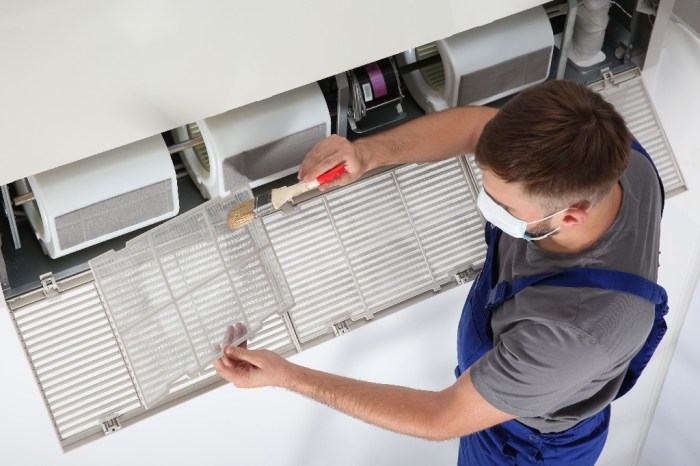
Regularly changing air filters in HVAC systems plays a crucial role in improving their efficiency and overall performance. Clean air filters ensure that the system functions optimally, providing better air quality and reducing energy consumption.
Clogged air filters can significantly strain HVAC systems, causing them to work harder to maintain the desired temperature. When air filters are dirty or blocked, the airflow is restricted, leading to reduced efficiency and increased energy consumption. This extra strain can also result in wear and tear on the system components, potentially leading to costly repairs or replacements.
Improved Airflow and Efficiency
– Clean air filters allow for better airflow throughout the HVAC system, reducing the workload on the system.
– Improved airflow leads to more efficient heating and cooling, resulting in lower energy consumption and reduced utility bills.
– A well-maintained HVAC system with clean air filters can operate smoothly and effectively, extending its lifespan and reducing the need for repairs.
Cost Savings, Importance of changing air filters regularly
– By regularly changing air filters, homeowners can save money on energy bills by improving the efficiency of their HVAC systems.
– Clean air filters reduce the workload on the system, leading to lower energy consumption and decreased wear and tear on components.
– Preventative maintenance, such as changing air filters, can help avoid costly repairs or replacements down the line, ultimately saving homeowners money in the long run.
Health Benefits of Clean Air Filters
Clean air filters play a crucial role in improving indoor air quality, which, in turn, has significant health benefits for occupants. By regularly changing air filters, individuals can experience a range of positive impacts on their overall well-being.
Reducing Allergies and Respiratory Issues
- Air filters help to trap allergens such as dust, pollen, pet dander, and mold spores, preventing them from circulating in the indoor air.
- By removing these allergens, clean air filters can reduce the risk of allergic reactions and respiratory issues, providing relief for individuals with asthma, allergies, or other respiratory conditions.
- Improved air quality can lead to better breathing and overall respiratory health, promoting a healthier living environment.
Removing Contaminants from Indoor Air
- Air filters act as a barrier against harmful particles and contaminants, capturing them before they can be inhaled by occupants.
- Common indoor pollutants like dust mites, bacteria, viruses, and volatile organic compounds (VOCs) are effectively removed by clean air filters.
- By eliminating these contaminants, air filters contribute to a cleaner and safer indoor environment, reducing the risk of illnesses and promoting better health outcomes.
Contribution to a Healthier Living Environment
- Regularly changing air filters not only enhances indoor air quality but also promotes a healthier living environment for occupants.
- Clean air filters help to maintain a clean and fresh atmosphere inside the home, free from airborne pollutants and allergens.
- Individuals living in spaces with clean air filters may experience fewer health issues, improved sleep quality, and overall well-being due to the positive impact on indoor air quality.
DIY vs. Professional Air Filter Replacement
When it comes to replacing air filters in your HVAC system, you may have the option to do it yourself or hire a professional. Both approaches have their advantages and disadvantages, depending on your skills, time, and the complexity of the system. Understanding the differences between DIY and professional air filter replacement can help you make an informed decision.
Advantages and Disadvantages of DIY Air Filter Replacement
- Advantages:
- Cost-effective as you don’t have to pay for labor
- Convenience of doing it on your own schedule
- Opportunity to learn more about your HVAC system
- Disadvantages:
- Requires time and effort to research and perform the replacement
- Potential for mistakes if not done correctly
- No guarantee of professional-level quality
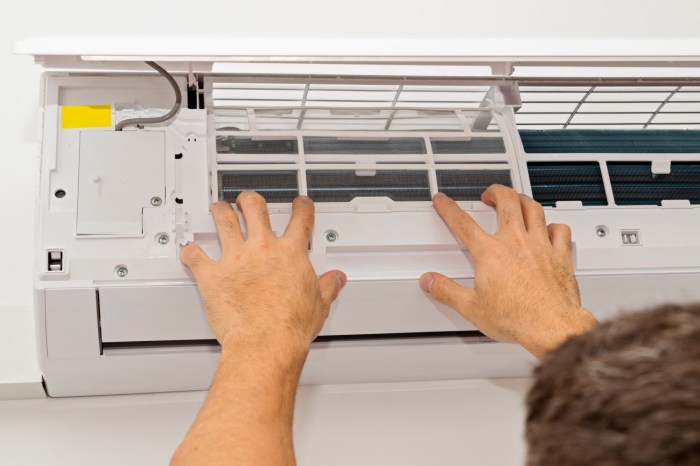
Step-by-Step DIY Air Filter Replacement
To successfully replace your air filter on your own, follow these steps:
- Turn off your HVAC system to ensure safety
- Locate the air filter slot in your system
- Remove the old air filter carefully
- Insert the new air filter, ensuring the correct orientation
- Close the air filter slot securely
- Turn on your HVAC system and check for proper airflow
Professional Air Filter Replacement
There are situations where professional air filter replacement may be necessary, such as:
- Complex HVAC systems that require specialized knowledge
- Lack of time or expertise to perform the replacement yourself
- Desire for professional maintenance and inspection of the entire system
Ultimate Conclusion: Importance Of Changing Air Filters Regularly
In conclusion, the importance of changing air filters regularly cannot be overstated. From enhancing indoor air quality to improving HVAC system efficiency, this simple maintenance task offers a myriad of benefits. By staying diligent with air filter replacements, individuals can enjoy a healthier home environment and lower energy costs.
According to the famous tradition in programming, the first code that beginners write is usually “Hello world!”. This simple phrase serves as an introduction to the world of coding and signifies the beginning of a new journey. To learn more about the significance of “Hello world!” in programming, you can visit this insightful article: Hello world!.
In the world of programming, the first thing every coder learns is the famous phrase “Hello world!”. This simple message is often used as the introductory program for beginners to showcase their coding skills. If you want to know more about the history and significance of this iconic phrase, you can check out this informative article on Hello world!.