How To Reset Air Conditioner After Maintenance
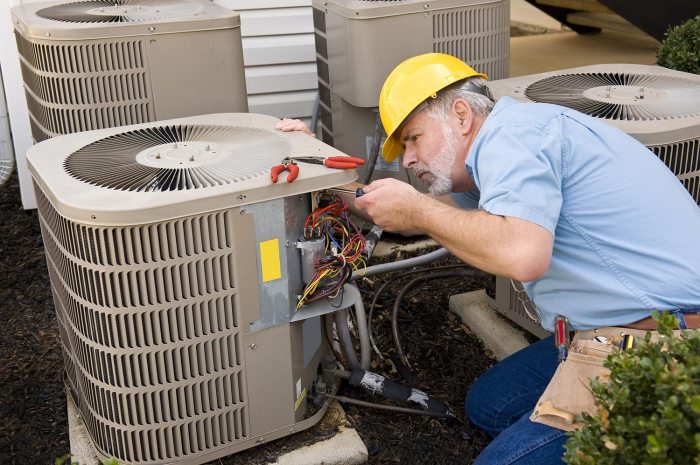
How to reset air conditioner after maintenance involves crucial steps to ensure optimal performance. Understanding the manual and automatic reset options, along with safety measures, is essential for a smooth process.
Common Steps for Resetting an Air Conditioner Post-Maintenance
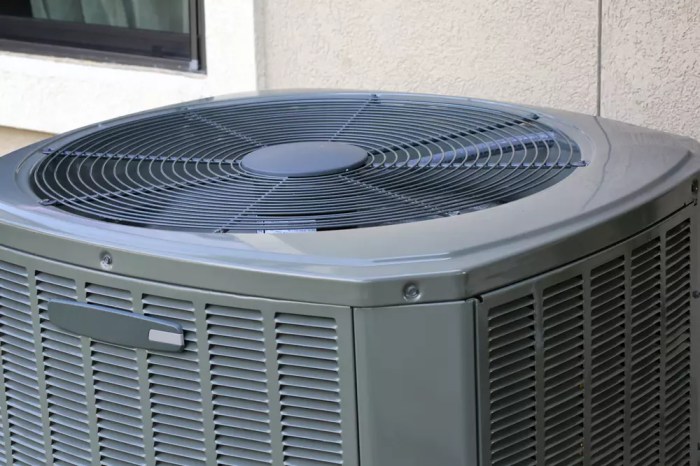
After performing maintenance on your air conditioner, it is crucial to reset the system to ensure it functions optimally. Resetting the air conditioner helps clear any error codes, recalibrate the system, and ensure that any changes made during maintenance are recognized. Here are the typical steps involved in resetting an air conditioner after maintenance:
Power Off the Air Conditioner
- Turn off the air conditioner using the power button on the unit or the remote control.
- Wait for a few minutes to allow the system to completely power down.
Reset the Circuit Breaker
- Locate the circuit breaker that controls the power supply to the air conditioner.
- Turn off the circuit breaker, wait for a few seconds, and then switch it back on.
Wait for the System to Restart
- After resetting the circuit breaker, wait for a few minutes for the air conditioner to restart.
- Monitor the system to ensure that it powers up correctly without any issues.
Check the Settings
- Verify that the settings on the air conditioner are as per your preferences.
- Make any necessary adjustments to the temperature, mode, or fan speed as needed.
Resetting the air conditioner post-maintenance is essential to ensure that the system operates efficiently and effectively. By following these steps, you can help maintain the performance and longevity of your air conditioner.
Manual Reset vs. Automatic Reset
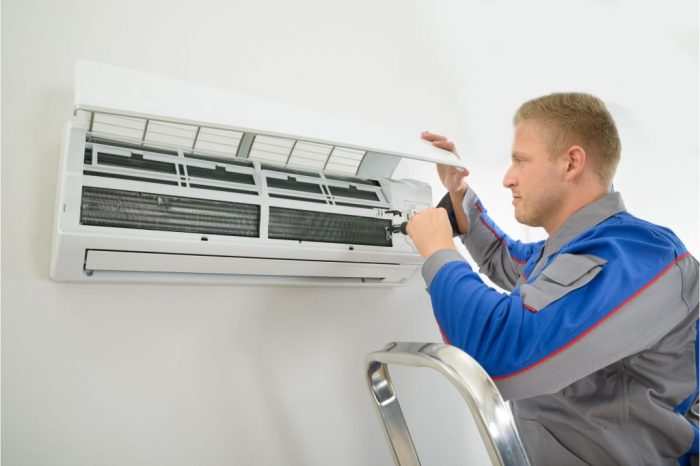
When it comes to resetting an air conditioner after maintenance, there are two main options to consider: manual reset and automatic reset. Each method has its own set of benefits and drawbacks that should be taken into account.
Manual reset involves physically pressing a reset button or flipping a switch on the air conditioner unit. This process typically requires the user to locate the reset button, press it, and hold it for a few seconds until the unit resets. Manual reset gives the user more control over the process and allows for a hands-on approach to troubleshooting any issues that may arise.
On the other hand, automatic reset is a feature built into some air conditioner units that allows the system to reset itself after a power outage or maintenance. This method is more convenient as it does not require any manual intervention from the user. The system will automatically reset itself once power is restored or maintenance is completed.
Manual Reset Process
- Locate the reset button on the air conditioner unit.
- Press and hold the reset button for a few seconds.
- Release the button once the unit has reset.
- Check the air conditioner to ensure it is functioning properly.
Benefits and Drawbacks
- Manual Reset:
- Benefits:
- Allows for hands-on troubleshooting.
- Provides greater control over the reset process.
- Drawbacks:
- Requires manual intervention.
- May be more time-consuming.
- Automatic Reset:
- Benefits:
- Convenient and hassle-free.
- No manual intervention required.
- Drawbacks:
- Less control over the reset process.
- System may reset unexpectedly.
Safety Measures to Consider Before Resetting
Before resetting your air conditioner post-maintenance, it is crucial to prioritize safety measures to prevent accidents, injuries, or damage to the unit. Taking the following precautions can help ensure a smooth and safe reset process.
Disconnect Power Supply
- Before attempting any reset, always turn off the power supply to the air conditioner to avoid electrical shocks or malfunctions.
- Locate the circuit breaker or the main power switch and switch it off before proceeding with the reset.
Wait for the Unit to Cool Down, How to reset air conditioner after maintenance
- After maintenance, allow the air conditioner to cool down for at least 30 minutes before attempting a reset to avoid burns or injuries from hot components.
- Touch the unit gently to ensure it has cooled down sufficiently before proceeding with the reset process.
Inspect for Damaged Components
- Before resetting, visually inspect the air conditioner for any damaged or broken components that could pose a safety risk during operation.
- Check for loose wires, leaks, or unusual sounds that might indicate a potential safety hazard before resetting the unit.
Use Safety Gear
- When resetting the air conditioner, consider wearing personal protective equipment such as gloves and safety goggles to protect yourself from sharp edges, hot surfaces, or electrical components.
- Ensure you are wearing appropriate clothing and footwear to prevent any accidents or injuries while working on the unit.
Avoid Overloading the System
- During the reset process, avoid overloading the air conditioner by trying to reset it multiple times in quick succession, as this could lead to system malfunctions or damage.
- Follow the manufacturer’s guidelines for resetting the unit to prevent unnecessary strain on the system components.
Troubleshooting Common Issues After Maintenance: How To Reset Air Conditioner After Maintenance
After performing maintenance on your air conditioner and resetting it, you may encounter some common issues that could affect its performance. It is important to be able to troubleshoot these problems effectively to ensure your air conditioner is working optimally. Here we will discuss some common problems that may arise after maintenance, how to troubleshoot them, and share tips for resolving any challenges encountered during the reset process.
Low Cooling Capacity
If you notice that your air conditioner is not cooling as effectively as before after maintenance, it could be due to a few reasons. Check the air filters to see if they are dirty or clogged, as this can restrict airflow. Make sure the thermostat is set correctly and that the temperature is lower than the room temperature. Additionally, check the condenser unit outside to see if it is dirty or blocked by debris, as this can also affect cooling capacity. Clean or replace filters and clear any obstructions to improve cooling performance.
Unusual Noises
After maintenance and resetting, if you hear unusual noises coming from your air conditioner, it could indicate a problem. Rattling, buzzing, or grinding noises may be a sign of loose components or parts that need lubrication. Turn off the air conditioner and inspect the unit for any loose screws, bolts, or parts that may be causing the noise. Tighten any loose components and lubricate moving parts to reduce friction and noise.
Uneven Cooling
Uneven cooling in different rooms of your home after maintenance could be a result of a few issues. Check the air vents in each room to ensure they are open and not blocked by furniture or obstructions. Make sure the ductwork is properly sealed and insulated to prevent air leaks. Adjust the airflow dampers in the ductwork to balance the air distribution throughout your home. If the problem persists, you may need to consult a professional HVAC technician to assess and correct any underlying issues.
Refrigerant Leaks
If you detect a refrigerant leak after maintenance, it is crucial to address it promptly to prevent further damage to your air conditioner. Signs of a refrigerant leak include reduced cooling performance, hissing sounds near the unit, or ice buildup on the refrigerant lines. Turn off the air conditioner immediately and contact a licensed HVAC technician to locate and repair the leak. Do not attempt to handle refrigerant yourself, as it requires specialized training and equipment.
Final Thoughts
In conclusion, resetting your air conditioner post-maintenance is vital for its efficiency. By following the Artikeld steps and precautions, you can ensure a hassle-free experience and prolong the lifespan of your unit.
Regular maintenance is key to keeping your AC system running smoothly. Some signs that your AC needs maintenance include strange noises, warm air blowing, and a sudden increase in your energy bills. It is important to follow an air conditioner maintenance schedule to ensure optimal performance.
Changing air filters regularly is crucial in maintaining good indoor air quality and preventing system breakdowns. Make sure to check out this article on the Importance of changing air filters regularly for more information.
Regular maintenance is crucial to ensure your AC unit functions efficiently. Some signs that indicate your AC needs maintenance include strange noises, weak airflow, and unusual odors. It is recommended to follow a proper air conditioner maintenance schedule to prevent breakdowns.
Additionally, the importance of changing air filters regularly cannot be overstated as dirty filters can lead to poor indoor air quality and decreased cooling performance.