How To Prevent Mold Growth In Air Conditioners
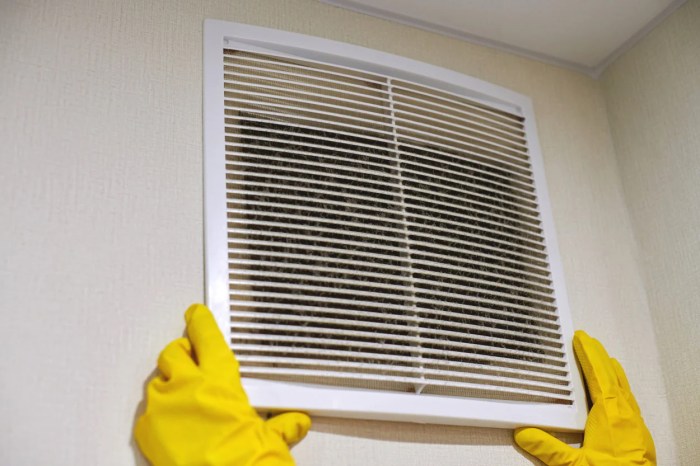
How to prevent mold growth in air conditioners delves into essential practices to keep your AC unit mold-free. Discover proactive measures and maintenance tips to ensure clean and healthy air circulation.
Understanding the root causes of mold in air conditioners is crucial for maintaining a safe and efficient cooling system. By implementing regular maintenance routines and optimizing ventilation, you can effectively combat mold growth and safeguard your indoor air quality.
Understanding Mold Growth in Air Conditioners
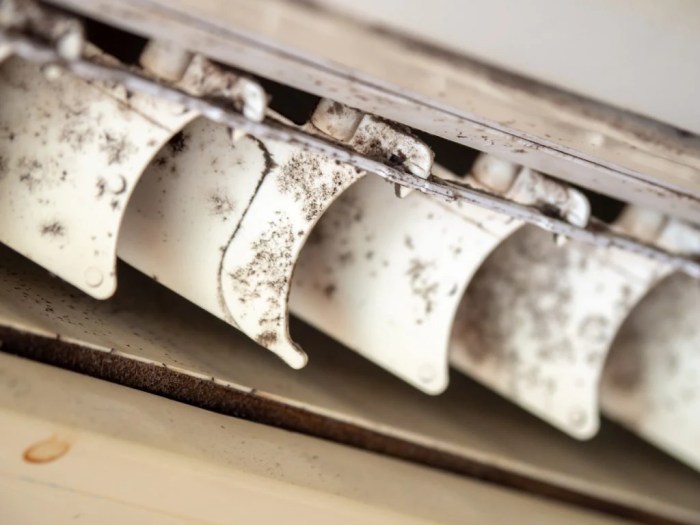
Mold is a type of fungus that thrives in moist and humid environments, making air conditioners an ideal breeding ground. When moisture accumulates within the AC unit, either due to improper maintenance or high humidity levels, mold spores can quickly multiply and spread throughout the system.
Factors Contributing to Mold Growth in AC Units, How to prevent mold growth in air conditioners
- Poor ventilation: Inadequate airflow can lead to moisture buildup, creating a conducive environment for mold growth.
- Dirty filters: Clogged or dirty air filters can trap moisture and dust, providing a food source for mold to thrive.
- High humidity levels: Excessive humidity in the air can promote mold growth, especially in areas with poor ventilation.
- Condensation: Condensation within the AC unit can create pockets of moisture where mold spores can flourish.
Health Risks Associated with Mold in Air Conditioners
- Respiratory issues: Mold spores released into the air by the AC unit can exacerbate asthma and allergies, causing respiratory symptoms like coughing and wheezing.
- Infections: Prolonged exposure to mold in air conditioners can increase the risk of fungal infections in individuals with weakened immune systems.
- Allergic reactions: Mold exposure can trigger allergic reactions in sensitive individuals, leading to symptoms such as sneezing, skin rashes, and watery eyes.
Regular Maintenance Practices
Regular maintenance of air conditioners is crucial in preventing mold growth. By following a few routine tasks, you can ensure that your air conditioning unit remains mold-free and operates efficiently.
Cleaning or Replacing Air Filters Regularly
Air filters in air conditioners can quickly become clogged with dust, dirt, and other particles, creating the perfect environment for mold to thrive. It is essential to clean or replace these filters regularly to maintain good air quality and prevent mold growth. Clogged filters restrict airflow, causing the unit to work harder and potentially leading to moisture buildup, which is a breeding ground for mold. By ensuring clean air filters, you can improve the overall performance of your air conditioner and reduce the risk of mold contamination. Remember to follow the manufacturer’s recommendations for filter maintenance to keep your unit in top condition.
Cleaning Coils and Drip Pans
Another essential maintenance task to prevent mold growth in air conditioners is cleaning the coils and drip pans. Over time, these components can accumulate dirt, debris, and moisture, creating an ideal environment for mold spores to develop. By regularly cleaning the coils and drip pans, you can remove any buildup that could support mold growth. Use a mild detergent or a mixture of water and vinegar to clean these components thoroughly. By keeping these areas clean and dry, you can minimize the risk of mold contamination and ensure that your air conditioner operates efficiently. Regular maintenance of coils and drip pans is key to preventing mold growth and maintaining a healthy indoor environment.
Proper Ventilation and Humidity Control: How To Prevent Mold Growth In Air Conditioners
Proper ventilation and humidity control play a crucial role in preventing mold growth in air conditioners. When air circulates effectively and humidity levels are maintained within the recommended range, mold spores are less likely to find the moisture they need to thrive.
Significance of Proper Ventilation
- Good ventilation helps in circulating air throughout the space, reducing the chances of stagnant, humid air that mold loves.
- Proper airflow also helps in expelling excess moisture, preventing condensation that can lead to mold growth.
- Regularly opening windows and doors to allow fresh air in and stale air out can improve ventilation in the area.
Maintaining Optimal Humidity Levels
- Keep indoor humidity levels between 30-50% to discourage mold growth.
- Use exhaust fans in areas like bathrooms and kitchens to remove excess moisture from the air.
- Fix any leaks or water damage promptly to prevent moisture buildup that can lead to mold issues.
Using a Dehumidifier for Moisture Control
- A dehumidifier can help regulate humidity levels in the air, making it less conducive for mold to grow.
- Place the dehumidifier in areas prone to high humidity, such as basements or attics, to control moisture effectively.
- Regularly empty and clean the dehumidifier to prevent mold growth within the appliance itself.
Professional Inspections and Cleaning
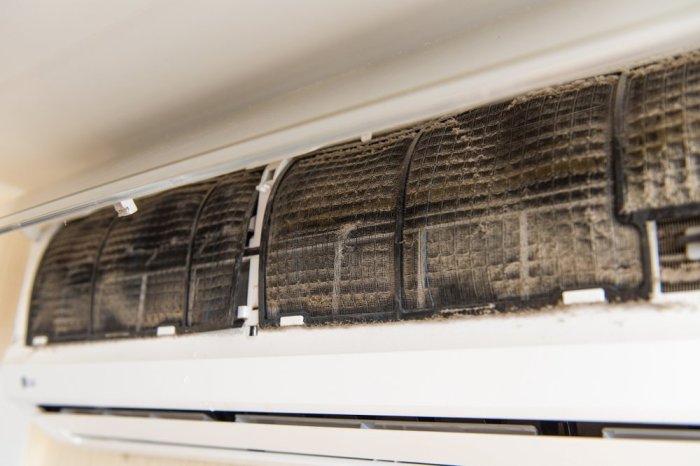
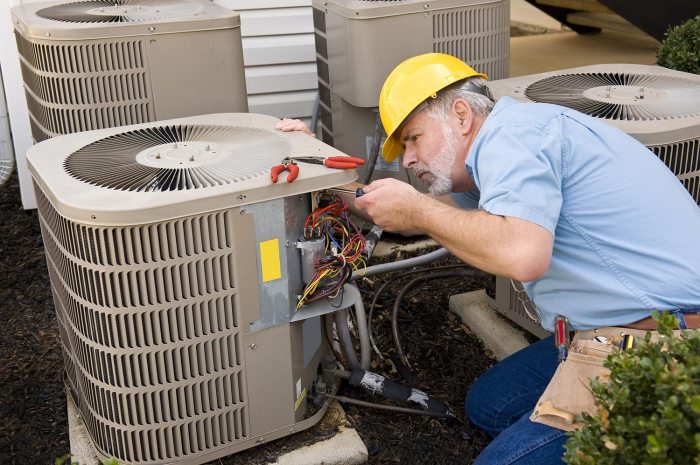
Professional inspections and cleanings play a crucial role in maintaining the efficiency of air conditioners and preventing mold growth. By hiring professionals, you ensure that your AC unit is thoroughly inspected, cleaned, and serviced to address any potential issues.
Frequency of Inspections and Cleanings
- It is recommended to schedule professional inspections and cleanings for your air conditioner at least once a year.
- In regions with high humidity or where the AC unit is used frequently, bi-annual inspections may be necessary.
- Regular maintenance by professionals can help in early detection of mold growth and prevent it from becoming a bigger issue.
Role of Professionals in Identifying and Addressing Mold Issues
- Professionals have the expertise and tools to identify mold growth in air conditioners that may go unnoticed by homeowners.
- They can conduct a thorough inspection of the unit, including ductwork, to locate any mold colonies and assess the extent of the problem.
- Professionals can then implement appropriate cleaning and remediation techniques to eliminate mold and prevent its recurrence.
- Additionally, they can provide recommendations on improving ventilation, humidity control, and maintenance practices to prevent mold growth in the future.
Conclusive Thoughts
In conclusion, prioritizing preventive measures and proper maintenance is key to combating mold growth in air conditioners. By following the Artikeld strategies and seeking professional assistance when needed, you can ensure a mold-free environment and optimal performance from your AC unit.
When it comes to ensuring your AC unit functions optimally, it’s crucial to be aware of the signs that your AC needs maintenance. From strange noises to weak airflow, these indicators can help you address issues promptly. For a more hands-on approach, you can follow these DIY air conditioner tune-up steps to keep your unit running smoothly.
Additionally, regular maintenance includes lubricating AC fan motors, which can improve the efficiency and extend the lifespan of your system. Check out this comprehensive Guide to lubricating AC fan motors for step-by-step instructions.
When it comes to your AC unit, it’s important to be aware of the signs that indicate it needs maintenance. From strange noises to weak airflow, these indicators should not be ignored. For more information on signs that your AC needs maintenance, check out this article.
If you’re looking to perform a DIY air conditioner tune-up, there are several steps you can take to keep your unit running smoothly. From cleaning the filters to checking the thermostat, these simple tasks can help improve the efficiency of your AC.
For a detailed guide on DIY air conditioner tune-up steps, visit this link.
One crucial aspect of AC maintenance is lubricating the fan motors to ensure they operate efficiently. Regular lubrication can help prevent wear and tear, prolonging the lifespan of your unit. If you want to learn more about the proper way to lubricate AC fan motors, you can find a comprehensive guide here.