


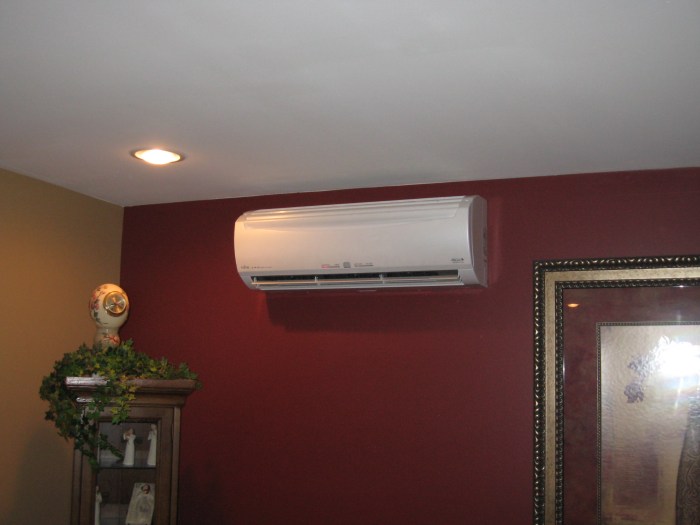
Guide To Lubricating Ac Fan Motors
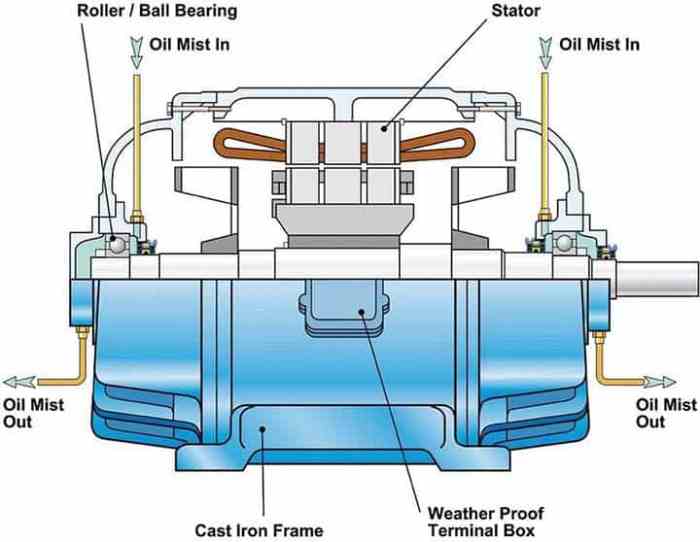
Guide to lubricating AC fan motors takes center stage, offering a comprehensive look at the importance of proper lubrication for optimal performance and durability. Explore the types of lubricants, the lubrication process, and signs indicating when your AC fan motor needs attention.
Importance of lubricating AC fan motors
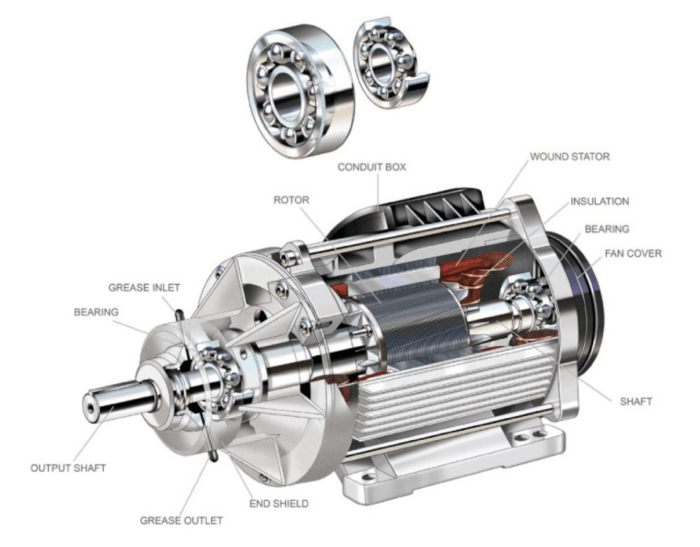
Proper lubrication of AC fan motors is essential for ensuring optimal performance and extending the lifespan of the equipment. Without adequate lubrication, fan motors can experience increased friction, leading to overheating, excessive wear, and potential breakdowns.
Reducing Friction, Noise, and Wear
- Lubrication helps to reduce friction between moving parts in the fan motor, allowing them to operate smoothly and efficiently.
- By minimizing friction, lubrication also helps to decrease the noise generated by the fan motor during operation, promoting a quieter environment.
- Regular lubrication can prevent excessive wear on the motor components, prolonging the overall lifespan of the AC fan motor.
Consequences of Neglecting Lubrication
- Failure to lubricate AC fan motors can result in increased friction, leading to higher energy consumption and potential overheating issues.
- Without proper lubrication, the fan motor components may wear out more quickly, necessitating costly repairs or replacements.
- Neglecting lubrication can cause the fan motor to generate excessive noise during operation, disrupting the comfort of the indoor environment.
Types of lubricants suitable for AC fan motors
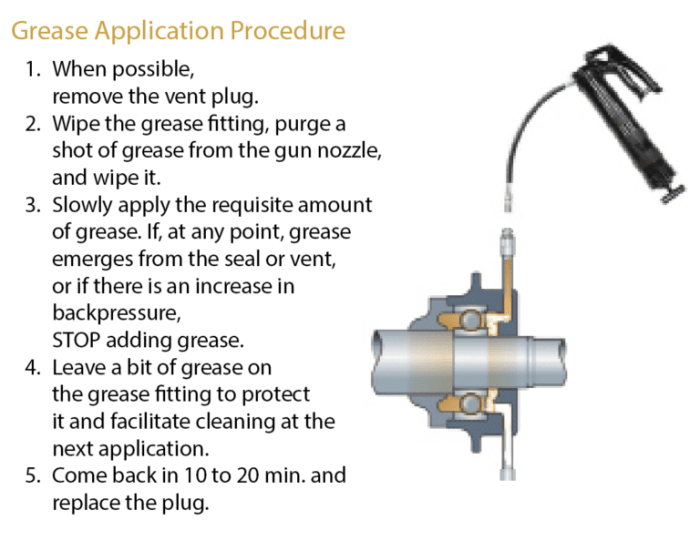
When it comes to lubricating AC fan motors, choosing the right type of lubricant is crucial for ensuring optimal performance and longevity of the motor. There are different types of lubricants available, each with its own set of properties and benefits for AC fan motors.
Improving air conditioner efficiency is essential to save energy and reduce electricity bills. One way to enhance efficiency is by regularly changing air filters. These filters prevent dust and debris from clogging the system, allowing the AC to function optimally.
Additionally, performing regular maintenance on the AC unit can also improve its efficiency. By cleaning coils, checking refrigerant levels, and ensuring all components are in good condition, the AC can operate smoothly and efficiently. For more tips on how to improve air conditioner efficiency, you can visit this link: How to improve air conditioner efficiency.
Oil-based lubricants
- Oil-based lubricants are commonly used in AC fan motors due to their ability to provide excellent lubrication and reduce friction.
- These lubricants are typically thinner in consistency, allowing them to penetrate tight spaces within the motor more effectively.
- Oil-based lubricants are excellent at dissipating heat, which is important for keeping the motor cool during operation.
- One of the main advantages of oil-based lubricants is their ability to flow more freely, ensuring consistent lubrication even in hard-to-reach areas.
- However, oil-based lubricants may require more frequent reapplication compared to grease-based lubricants.
Grease-based lubricants
- Grease-based lubricants are thicker in consistency and are ideal for applications where the lubricant needs to stay in place and resist being displaced by vibration or high speeds.
- These lubricants are better at sealing out contaminants and debris, protecting the motor from wear and tear.
- Grease-based lubricants typically have a longer lifespan and require less frequent reapplication compared to oil-based lubricants.
- However, grease-based lubricants may not flow as easily as oil-based lubricants, making it harder to reach certain parts of the motor.
Lubrication process for AC fan motors
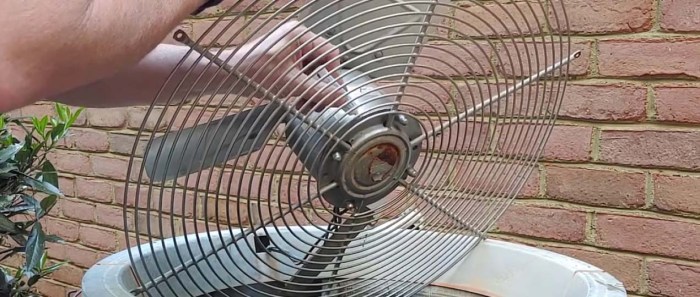
When it comes to maintaining the efficiency and longevity of an AC fan motor, proper lubrication is key. Here, we will discuss the step-by-step guide on how to lubricate an AC fan motor, the recommended frequency for lubrication, and tips on how to apply lubricant effectively.
Step-by-step guide on how to lubricate an AC fan motor, Guide to lubricating AC fan motors
- Cut off power supply: Before starting the lubrication process, ensure that the power supply to the AC unit is turned off to prevent any accidents.
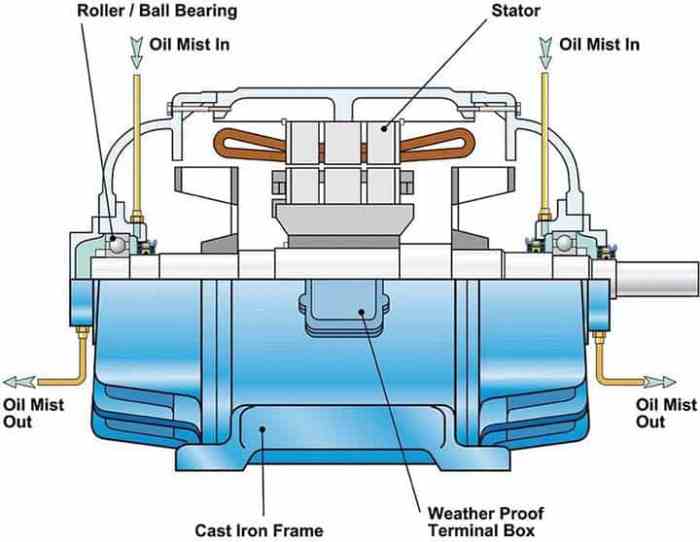
- Locate the oil ports: Most AC fan motors have oil ports located at the ends of the motor. These ports are where the lubricant needs to be applied.
- Clean the ports: Use a clean cloth to wipe away any dirt or debris from the oil ports to ensure that the lubricant can be applied smoothly.
- Apply the lubricant: Using a suitable lubricant recommended for AC fan motors, apply a few drops of oil into each oil port. Be careful not to over-lubricate.
- Rotate the fan: After applying the lubricant, manually rotate the fan blades a few times to help distribute the oil evenly.
- Check for smooth operation: Once the lubrication process is complete, turn on the power supply and check if the fan motor is running smoothly.
Frequency of lubrication for optimal performance
It is recommended to lubricate the AC fan motor at least once a year to ensure optimal performance. However, in high-usage environments or if the motor starts making unusual noises, lubrication may be required more frequently.
Improving air conditioner efficiency is crucial for reducing energy consumption and saving money. One way to achieve this is by regularly changing air filters. By doing so, the system can operate more efficiently, resulting in better airflow and lower energy bills.
Additionally, scheduling regular AC maintenance can also provide numerous benefits, such as extending the lifespan of the unit and preventing costly repairs. For more information on how to improve air conditioner efficiency, check out this informative article on the importance of changing air filters regularly.
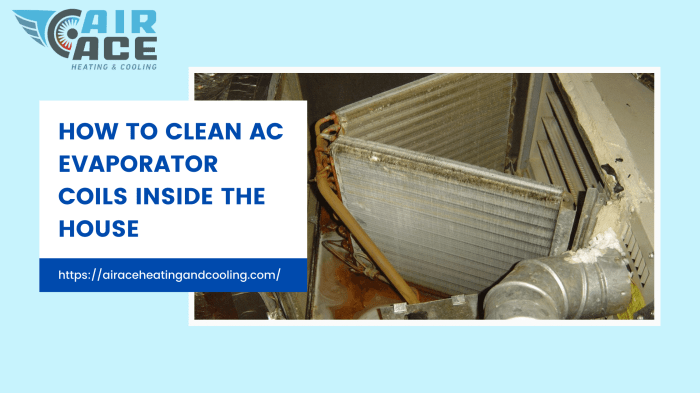
Also Read: Guide To Cleaning Ac Evaporator Coils
Tips for applying lubricant effectively
- Use the right lubricant: Make sure to use a lubricant specifically designed for AC fan motors to avoid any damage to the motor.
- Apply in moderation: Over-lubricating can be as harmful as under-lubricating, so only apply a few drops of oil into each oil port.
- Distribute evenly: After applying the oil, rotate the fan blades to ensure that the lubricant is evenly distributed throughout the motor.
- Regular maintenance: Apart from lubrication, regular maintenance of the AC unit is essential to prolong the life of the fan motor and ensure efficient operation.
Signs that indicate AC fan motor needs lubrication
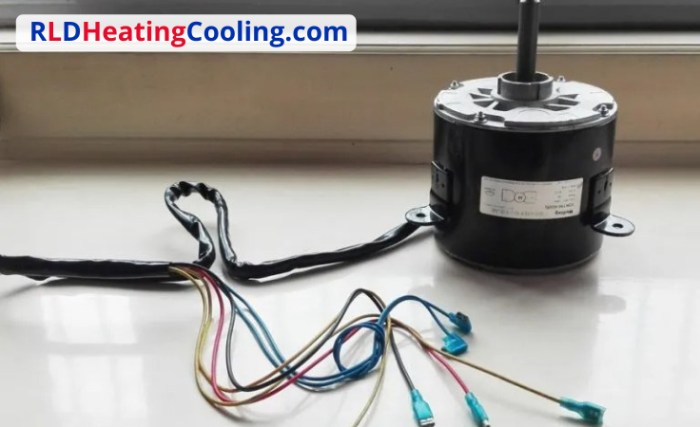
When it comes to maintaining your AC system, ensuring that the fan motor is properly lubricated is crucial for its optimal performance. Here are some common signs that indicate the AC fan motor may need lubrication:
Unusual Sounds
If you start hearing unusual sounds coming from your AC unit, such as squealing, grinding, or screeching noises, it could be a sign that the fan motor lacks proper lubrication. These sounds typically indicate that the components are rubbing against each other due to friction caused by insufficient lubrication.
Increased Energy Consumption
Another sign that the AC fan motor needs lubrication is an increase in energy consumption. When the motor lacks lubrication, it has to work harder to keep the fan running smoothly, leading to higher energy usage and potentially higher electricity bills.
Overheating of the Motor
If you notice that the AC fan motor is overheating frequently, it may be due to inadequate lubrication. The lack of lubrication causes increased friction, which generates excess heat that can damage the motor over time. Regular lubrication can help prevent overheating and extend the lifespan of the fan motor.
Visual Inspection
Performing a visual inspection of the AC fan motor can also help determine if lubrication is needed. Look for any signs of wear and tear on the motor components, such as rust, debris buildup, or visible damage. If you notice any of these issues, it may be a good indication that the fan motor requires lubrication to function properly.
Regularly checking for these signs and addressing any lubrication needs promptly can help maintain the efficiency and longevity of your AC fan motor, ensuring that your HVAC system operates smoothly. Remember to consult a professional technician if you are unsure about lubricating the fan motor yourself.
Final Thoughts: Guide To Lubricating AC Fan Motors
In conclusion, ensuring your AC fan motor is properly lubricated is essential for its efficiency and lifespan. By following this guide, you can maintain your fan motor in top condition, reducing friction, noise, and wear.
You might also like
Guide To Lubricating Ac Fan Motors

Guide to lubricating AC fan motors takes center stage, offering a comprehensive look at the importance of proper lubrication for optimal performance and durability. Explore the types of lubricants, the lubrication process, and signs indicating when your AC fan motor needs attention.
Importance of lubricating AC fan motors
Proper lubrication of AC fan motors is essential for ensuring optimal performance and extending the lifespan of the equipment. Without adequate lubrication, fan motors can experience increased friction, leading to overheating, excessive wear, and potential breakdowns.
Reducing Friction, Noise, and Wear
- Lubrication helps to reduce friction between moving parts in the fan motor, allowing them to operate smoothly and efficiently.
- By minimizing friction, lubrication also helps to decrease the noise generated by the fan motor during operation, promoting a quieter environment.
- Regular lubrication can prevent excessive wear on the motor components, prolonging the overall lifespan of the AC fan motor.
Consequences of Neglecting Lubrication
- Failure to lubricate AC fan motors can result in increased friction, leading to higher energy consumption and potential overheating issues.
- Without proper lubrication, the fan motor components may wear out more quickly, necessitating costly repairs or replacements.
- Neglecting lubrication can cause the fan motor to generate excessive noise during operation, disrupting the comfort of the indoor environment.
Types of lubricants suitable for AC fan motors
When it comes to lubricating AC fan motors, choosing the right type of lubricant is crucial for ensuring optimal performance and longevity of the motor. There are different types of lubricants available, each with its own set of properties and benefits for AC fan motors.
Improving air conditioner efficiency is essential to save energy and reduce electricity bills. One way to enhance efficiency is by regularly changing air filters. These filters prevent dust and debris from clogging the system, allowing the AC to function optimally.
Additionally, performing regular maintenance on the AC unit can also improve its efficiency. By cleaning coils, checking refrigerant levels, and ensuring all components are in good condition, the AC can operate smoothly and efficiently. For more tips on how to improve air conditioner efficiency, you can visit this link: How to improve air conditioner efficiency.
Oil-based lubricants
- Oil-based lubricants are commonly used in AC fan motors due to their ability to provide excellent lubrication and reduce friction.
- These lubricants are typically thinner in consistency, allowing them to penetrate tight spaces within the motor more effectively.
- Oil-based lubricants are excellent at dissipating heat, which is important for keeping the motor cool during operation.
- One of the main advantages of oil-based lubricants is their ability to flow more freely, ensuring consistent lubrication even in hard-to-reach areas.
- However, oil-based lubricants may require more frequent reapplication compared to grease-based lubricants.
Grease-based lubricants
- Grease-based lubricants are thicker in consistency and are ideal for applications where the lubricant needs to stay in place and resist being displaced by vibration or high speeds.
- These lubricants are better at sealing out contaminants and debris, protecting the motor from wear and tear.
- Grease-based lubricants typically have a longer lifespan and require less frequent reapplication compared to oil-based lubricants.
- However, grease-based lubricants may not flow as easily as oil-based lubricants, making it harder to reach certain parts of the motor.
Lubrication process for AC fan motors
When it comes to maintaining the efficiency and longevity of an AC fan motor, proper lubrication is key. Here, we will discuss the step-by-step guide on how to lubricate an AC fan motor, the recommended frequency for lubrication, and tips on how to apply lubricant effectively.
Step-by-step guide on how to lubricate an AC fan motor, Guide to lubricating AC fan motors
- Cut off power supply: Before starting the lubrication process, ensure that the power supply to the AC unit is turned off to prevent any accidents.
- Locate the oil ports: Most AC fan motors have oil ports located at the ends of the motor. These ports are where the lubricant needs to be applied.
- Clean the ports: Use a clean cloth to wipe away any dirt or debris from the oil ports to ensure that the lubricant can be applied smoothly.
- Apply the lubricant: Using a suitable lubricant recommended for AC fan motors, apply a few drops of oil into each oil port. Be careful not to over-lubricate.
- Rotate the fan: After applying the lubricant, manually rotate the fan blades a few times to help distribute the oil evenly.
- Check for smooth operation: Once the lubrication process is complete, turn on the power supply and check if the fan motor is running smoothly.
Frequency of lubrication for optimal performance
It is recommended to lubricate the AC fan motor at least once a year to ensure optimal performance. However, in high-usage environments or if the motor starts making unusual noises, lubrication may be required more frequently.
Improving air conditioner efficiency is crucial for reducing energy consumption and saving money. One way to achieve this is by regularly changing air filters. By doing so, the system can operate more efficiently, resulting in better airflow and lower energy bills.
Additionally, scheduling regular AC maintenance can also provide numerous benefits, such as extending the lifespan of the unit and preventing costly repairs. For more information on how to improve air conditioner efficiency, check out this informative article on the importance of changing air filters regularly.
Also Read: Guide To Cleaning Ac Evaporator Coils
Tips for applying lubricant effectively
- Use the right lubricant: Make sure to use a lubricant specifically designed for AC fan motors to avoid any damage to the motor.
- Apply in moderation: Over-lubricating can be as harmful as under-lubricating, so only apply a few drops of oil into each oil port.
- Distribute evenly: After applying the oil, rotate the fan blades to ensure that the lubricant is evenly distributed throughout the motor.
- Regular maintenance: Apart from lubrication, regular maintenance of the AC unit is essential to prolong the life of the fan motor and ensure efficient operation.
Signs that indicate AC fan motor needs lubrication
When it comes to maintaining your AC system, ensuring that the fan motor is properly lubricated is crucial for its optimal performance. Here are some common signs that indicate the AC fan motor may need lubrication:
Unusual Sounds
If you start hearing unusual sounds coming from your AC unit, such as squealing, grinding, or screeching noises, it could be a sign that the fan motor lacks proper lubrication. These sounds typically indicate that the components are rubbing against each other due to friction caused by insufficient lubrication.
Increased Energy Consumption
Another sign that the AC fan motor needs lubrication is an increase in energy consumption. When the motor lacks lubrication, it has to work harder to keep the fan running smoothly, leading to higher energy usage and potentially higher electricity bills.
Overheating of the Motor
If you notice that the AC fan motor is overheating frequently, it may be due to inadequate lubrication. The lack of lubrication causes increased friction, which generates excess heat that can damage the motor over time. Regular lubrication can help prevent overheating and extend the lifespan of the fan motor.
Visual Inspection
Performing a visual inspection of the AC fan motor can also help determine if lubrication is needed. Look for any signs of wear and tear on the motor components, such as rust, debris buildup, or visible damage. If you notice any of these issues, it may be a good indication that the fan motor requires lubrication to function properly.
Regularly checking for these signs and addressing any lubrication needs promptly can help maintain the efficiency and longevity of your AC fan motor, ensuring that your HVAC system operates smoothly. Remember to consult a professional technician if you are unsure about lubricating the fan motor yourself.
Final Thoughts: Guide To Lubricating AC Fan Motors
In conclusion, ensuring your AC fan motor is properly lubricated is essential for its efficiency and lifespan. By following this guide, you can maintain your fan motor in top condition, reducing friction, noise, and wear.