Guide To Cleaning Reusable Ac Filters
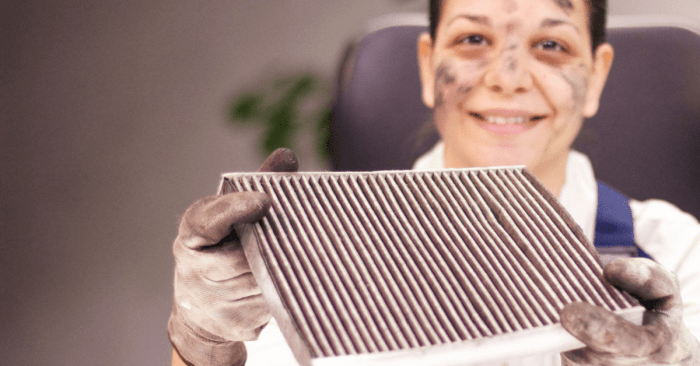
Guide to cleaning reusable AC filters takes center stage, offering insights into the importance of regular maintenance and the benefits of reusable filters. Dive into the world of clean air and energy efficiency with this detailed guide.
Explore different filter types, cleaning methods, frequency recommendations, and tips for maintaining reusable AC filters for optimal performance.
Introduction to cleaning reusable AC filters
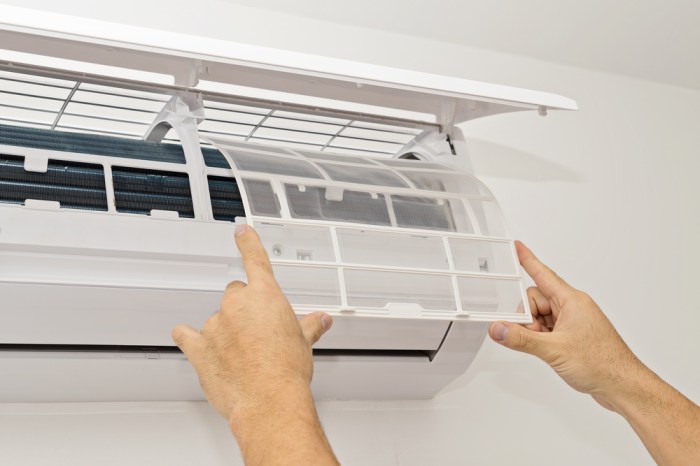
Regularly cleaning the filters in your air conditioning system is crucial for maintaining good indoor air quality and energy efficiency. By removing dust, dirt, and other contaminants from the filters, you can prevent them from circulating throughout your home and potentially causing respiratory issues or aggravating allergies. Additionally, clean filters help the AC unit run more efficiently, reducing energy consumption and ultimately lowering your utility bills.
Benefits of using reusable AC filters
Reusable AC filters offer several advantages over disposable ones. Not only are they more environmentally friendly, as they can be washed and reused multiple times, but they also tend to be more cost-effective in the long run. By investing in a reusable filter, you can save money on replacement filters and contribute to reducing waste.
Clean filters and improved air quality
When AC filters are clean, they can effectively trap particles such as dust, pollen, and pet dander, preventing them from circulating in the air. This leads to better indoor air quality, which is especially important for individuals with respiratory conditions or allergies. By regularly cleaning your reusable AC filter, you can ensure that your home’s air is cleaner and healthier for you and your family.
Enhanced energy efficiency with clean filters
Dirty filters can obstruct airflow and make your air conditioning system work harder to cool your home, leading to increased energy consumption. By keeping your filters clean, you can promote better airflow and help your AC unit operate more efficiently. This not only saves you money on energy costs but also prolongs the lifespan of your air conditioning system.
Types of reusable AC filters
Reusable AC filters come in various types, each offering unique features to cater to different needs and environments. The most common types include washable, electrostatic, and HEPA reusable filters.
Washable Filters
Washable filters are made of materials that can be easily cleaned with water and mild detergent. These filters are cost-effective as they can be reused multiple times, reducing the need for frequent replacements. However, washable filters may not be as effective in capturing smaller particles compared to other types.
Electrostatic Filters
Electrostatic filters use static electricity to attract and trap particles from the air. These filters are known for their high efficiency in capturing airborne contaminants, including dust, pollen, and pet dander. They are also washable and reusable, making them a popular choice for those looking to improve indoor air quality.
HEPA Filters, Guide to cleaning reusable AC filters
HEPA (High-Efficiency Particulate Air) filters are designed to capture 99.97% of particles as small as 0.3 microns. These filters are highly effective in removing allergens, bacteria, and viruses from the air, making them ideal for individuals with allergies or respiratory conditions. While HEPA filters are not washable, they can last for a long time with proper maintenance.
When choosing a reusable AC filter, consider the specific needs of your environment. Washable filters are suitable for general use and can be a budget-friendly option. Electrostatic filters are great for capturing smaller particles, making them ideal for households with pets or allergies. HEPA filters are recommended for those who require maximum filtration efficiency, especially in environments with high levels of pollutants or allergens. Ultimately, the best type of filter depends on your air quality requirements and personal preferences.
Cleaning methods for reusable AC filters
Proper maintenance of your reusable AC filters is crucial for ensuring efficient air filtration and extending the lifespan of your HVAC system. Here, we will discuss the step-by-step cleaning methods for washable filters, electrostatic filters, and HEPA filters.
Cleaning Washable Filters
Washable filters are relatively easy to clean and maintain. Follow these steps:
- Turn off the HVAC system and remove the filter from the unit.
- Use a vacuum cleaner with a brush attachment to remove large debris and dust from the filter.
- Prepare a solution of mild detergent and water in a sink or bucket.
- Submerge the filter in the solution and gently scrub it with a soft brush or sponge.
- Rinse the filter thoroughly with clean water to remove any soap residue.
- Allow the filter to air dry completely before reinstalling it in the unit.
Cleaning Electrostatic Filters
Electrostatic filters are designed to trap smaller particles and require careful cleaning to maintain their effectiveness:
- Remove the filter from the unit and gently vacuum both sides to remove dust and debris.
- Prepare a mixture of warm water and a mild detergent in a sink or tub.
- Soak the filter in the solution for about 15-20 minutes to loosen dirt and grime.
- Gently rinse the filter with clean water and allow it to air dry completely.
- Once dry, reinstall the filter in the unit and ensure it is securely in place.
Cleaning HEPA Filters
HEPA filters are highly efficient at capturing microscopic particles, but they require proper maintenance to function effectively:
- Check the manufacturer’s instructions for specific cleaning guidelines as some HEPA filters may not be washable.
- If washable, gently vacuum both sides of the filter to remove surface dust and dirt.
- Use a soft brush to dislodge any stubborn particles stuck to the filter.
- If the filter is washable, follow the same steps as cleaning washable filters mentioned above.
- For non-washable HEPA filters, consider replacing them according to the manufacturer’s recommended schedule.
Frequency of cleaning
It is essential to clean reusable AC filters regularly to maintain the efficiency of your HVAC system and ensure good indoor air quality. The frequency of cleaning will depend on various factors such as usage and environmental conditions.
When winter comes, it’s important to know how to properly store window AC units to ensure they remain in good condition. Follow this detailed guide on How to properly store window AC units in winter to prevent damage and prolong the lifespan of your unit.
Recommended Cleaning Schedule
For typical residential settings, it is advisable to clean reusable AC filters every 30 to 60 days. However, this timeline can vary based on the following factors:
- Usage: If the AC unit is used frequently or runs for extended periods, the filters may collect more dirt and debris, requiring more frequent cleaning.
- Environmental Factors: Homes located in dusty areas or with pets may require more frequent filter cleaning due to increased debris accumulation.
- Health Concerns: Individuals with allergies or respiratory issues may benefit from more frequent filter cleaning to maintain good indoor air quality.
Signs that Filters Need Cleaning or Replacement
It is important to look out for certain signs that indicate when reusable AC filters need cleaning or replacement:
- Visible Dirt Buildup: If you notice a visible layer of dirt and debris on the filter, it is time to clean or replace it.
- Reduced Airflow: A decrease in airflow from the vents can be a sign of a clogged filter that needs cleaning.
- Increased Energy Bills: A dirty filter can cause the HVAC system to work harder, leading to higher energy consumption and increased utility bills.
- Worsening Indoor Air Quality: If you notice more dust or allergens in the air, it may be due to a dirty filter that is no longer effectively capturing particles.
Tips for maintaining reusable AC filters
Maintaining reusable AC filters is essential to ensure optimal performance and longevity of your air conditioning system. By following these tips, you can extend the lifespan of your filters, avoid common mistakes during cleaning, and properly store them when not in use.
Extending the lifespan of reusable filters
- Regular cleaning: Clean the filters at least once a month to prevent dust and debris buildup, which can reduce airflow and efficiency.
- Gentle cleaning: Use a soft brush or vacuum cleaner to remove dust and dirt without damaging the filter material.
- Proper drying: Ensure the filters are completely dry before reinstalling them to prevent mold and mildew growth.
- Inspect for damage: Check the filters regularly for tears or holes and replace them if necessary to maintain effectiveness.
Common mistakes to avoid when cleaning filters
- Using harsh chemicals: Avoid using strong chemicals or detergents to clean the filters, as they can damage the material and reduce filtration efficiency.
- Skipping regular cleaning: Neglecting to clean the filters regularly can lead to decreased airflow, increased energy consumption, and potential damage to the AC system.
- Incorrect installation: Ensure the filters are properly installed after cleaning to prevent gaps or leaks that can allow unfiltered air to enter the system.
Recommendations for storing filters when not in use
- Store in a dry place: Keep the filters in a dry, cool area to prevent mold and mildew growth during storage.
- Use protective cover: Consider using a protective cover or bag to keep the filters clean and dust-free when not in use.
- Label and date: Label the filters with the installation date and store them in a way that makes it easy to identify and track their usage.
Ultimate Conclusion: Guide To Cleaning Reusable AC Filters
In conclusion, maintaining reusable AC filters is essential for air quality and energy efficiency. By following this guide, you can ensure clean and healthy air in your environment while maximizing the lifespan of your filters.
Maintaining your air conditioner is crucial for its performance. Try these DIY air conditioner tune-up steps outlined in this informative article DIY air conditioner tune-up steps to keep your unit running efficiently and effectively.
One of the key aspects of AC maintenance is cleaning the drainage system. Get a step-by-step guide on how to do this effectively in the link provided: Guide to cleaning AC drainage system to ensure proper functioning and avoid any potential issues.
Also Read: Importance Of Regular Ac Tune-Ups