Common Myths About Air Conditioner Maintenance
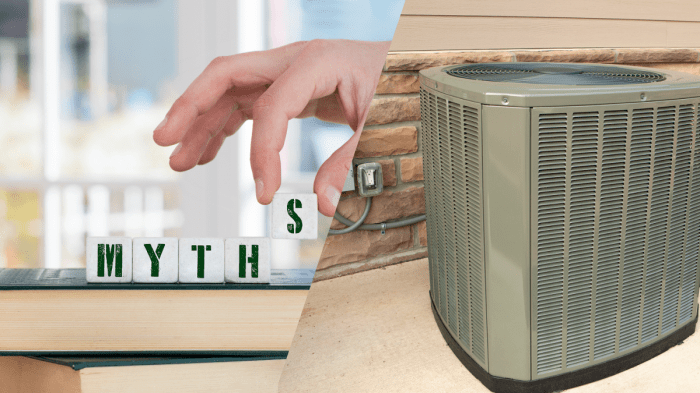
Common myths about air conditioner maintenance: Are you falling for these misconceptions? Let’s uncover the truth behind these beliefs and explore the importance of proper AC upkeep.
From the necessity of regular maintenance to the benefits it brings, this topic delves into the myths and realities surrounding air conditioner care.
Common myths about air conditioner maintenance
One common myth about air conditioner maintenance is that they never need maintenance. This misconception often leads to neglecting regular upkeep of air conditioning systems.
One of the key aspects of AC maintenance is cleaning air conditioner vents properly. Clogged vents can restrict airflow and reduce the overall efficiency of your AC unit. By keeping the vents clean, you can ensure proper air circulation and improve the air quality inside your home.
Regular maintenance is crucial for air conditioners to ensure optimal performance and longevity. Without proper maintenance, air conditioners can experience a range of issues that can affect efficiency and lead to costly repairs.
When it comes to maintaining your AC system, it’s essential to know how to check refrigerant levels in AC. Proper refrigerant levels are crucial for efficient cooling performance. Additionally, regular inspection of the refrigerant levels can help prevent potential issues and costly repairs in the future.
Importance of regular maintenance, Common myths about air conditioner maintenance
- Regular maintenance helps to keep the air conditioner running efficiently, reducing energy consumption and lowering utility bills.
- It helps to prevent breakdowns and costly repairs by identifying and addressing potential issues early on.
- Maintaining the air conditioner regularly can extend its lifespan, saving you money on premature replacements.
- Regular maintenance ensures better indoor air quality by keeping the system clean and reducing the accumulation of dust and allergens.
Consequences of neglecting maintenance
- Neglecting air conditioner maintenance can lead to reduced cooling efficiency, resulting in higher energy bills.
- Failure to maintain the system can cause components to wear out faster, leading to costly repairs or replacements.
- Dirty filters and coils can restrict airflow and cause the air conditioner to work harder, putting a strain on the system and reducing its lifespan.
- Poor maintenance can result in poor indoor air quality, exacerbating respiratory issues and allergies.
Benefits of regular maintenance
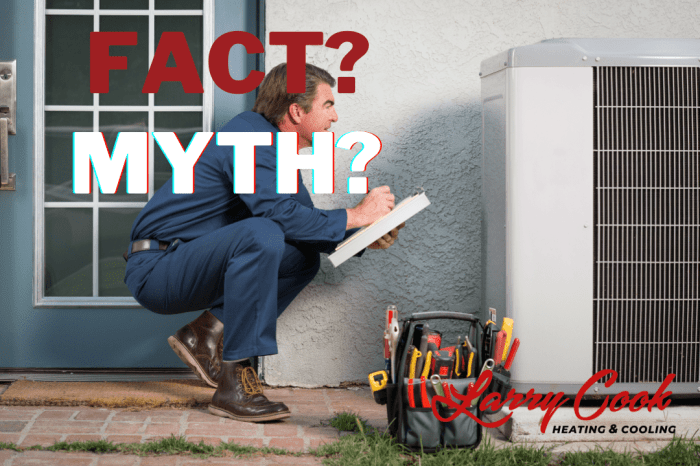
Regular maintenance of an air conditioner brings numerous benefits that contribute to the overall performance and longevity of the unit.
Improves air quality
Regular maintenance of air conditioners involves cleaning or replacing filters, which helps in removing dust, dirt, allergens, and other particles from the air. This process leads to improved indoor air quality, making the environment healthier and more comfortable for occupants.
Increases energy efficiency
Proper maintenance ensures that the air conditioner operates at peak efficiency, reducing energy consumption and lowering utility bills. Cleaning coils, checking refrigerant levels, and optimizing airflow all contribute to the unit’s energy efficiency, ultimately saving money in the long run.
Extends the lifespan of the air conditioner
By conducting regular maintenance, technicians can identify and address minor issues before they escalate into major problems. This proactive approach helps in preventing breakdowns and costly repairs, ultimately extending the lifespan of the air conditioner. With proper care and maintenance, an air conditioner can operate efficiently for many years.
DIY maintenance tips
Regular maintenance of your air conditioner is essential to ensure optimal performance and longevity. While professional maintenance is recommended, there are some simple DIY tasks you can perform to keep your air conditioner running smoothly.
Clean or Replace Air Filters
Air filters play a crucial role in maintaining good air quality and efficient airflow in your air conditioner. Here are the steps to clean or replace air filters:
- Turn off the power: Before starting any maintenance task, make sure to turn off the power to your air conditioner to avoid any accidents.
- Locate the air filter: Air filters are typically located behind the return air grille on the wall or ceiling, or within the air handler unit.
- Remove the filter: Take out the air filter carefully and inspect it for dust, dirt, and debris.
- Clean the filter: If the filter is reusable, vacuum or wash it with mild detergent and water. Allow it to dry completely before reinstalling.
- Replace the filter: If the filter is disposable and cannot be cleaned, replace it with a new one of the same size and type.
- Reinstall the filter: Once cleaned or replaced, reinsert the filter back into the unit, making sure it is securely in place.
- Regular maintenance: Check and clean or replace the air filter every 1-3 months, depending on usage, to ensure optimal performance.
Check and Clean the Evaporator and Condenser Coils
The evaporator and condenser coils in your air conditioner are responsible for cooling the air and releasing heat outside. Here’s how to check and clean these coils:
- Turn off the power: As always, ensure the power is off before starting any maintenance task on your air conditioner.
- Locate the coils: The evaporator coil is usually located inside the air handler unit, while the condenser coil is located in the outdoor unit.
- Inspect the coils: Check the coils for any dirt, dust, or debris buildup that could hinder airflow and reduce efficiency.
- Clean the coils: Use a soft brush or vacuum to gently clean off any dirt or debris from the coils. Be careful not to bend or damage the fins.
- Schedule professional maintenance: While DIY cleaning can help, it is recommended to schedule professional maintenance at least once a year to thoroughly clean and inspect the coils.
Professional maintenance services
When it comes to air conditioner maintenance, hiring professionals for the job is essential to ensure the optimal performance and longevity of your unit. Professional maintenance services offer a range of benefits that go beyond what DIY maintenance can provide. Let’s delve into the importance of hiring professionals, compare the benefits of professional maintenance versus DIY maintenance, and understand what to expect during a professional air conditioner maintenance service.
Importance of hiring professionals
- Expertise and experience: Professional technicians have the knowledge and expertise to identify and address potential issues with your air conditioner that may go unnoticed during DIY maintenance.
- Quality service: Professionals use specialized tools and techniques to perform thorough maintenance, ensuring that your air conditioner operates efficiently and effectively.
- Preventative maintenance: Regular professional maintenance can help prevent major breakdowns and costly repairs in the future, saving you time and money in the long run.
Benefits of professional maintenance vs. DIY maintenance
- Comprehensive inspection: Professionals conduct a detailed inspection of your air conditioner, checking all components for wear and tear, leaks, and other issues that could affect performance.
- Precision tuning: Professional maintenance includes tuning your air conditioner to ensure it operates at peak efficiency, helping you save on energy costs.
- Guaranteed results: Professional maintenance services often come with warranties or guarantees, giving you peace of mind knowing that the job is done right.
What to expect during a professional maintenance service
During a professional air conditioner maintenance service, you can expect the technician to clean or replace air filters, check refrigerant levels, inspect and clean coils, lubricate moving parts, check electrical connections, and test the system for proper operation.
Closure
In conclusion, understanding the common myths about air conditioner maintenance is crucial for ensuring the longevity and efficiency of your cooling system. Don’t let misconceptions guide your maintenance habits; stay informed and take proper care of your AC unit.
Understanding how to troubleshoot AC compressor issues is essential for maintaining the functionality of your AC unit. Compressor problems can lead to poor cooling performance and potential system failure. By identifying and addressing compressor issues promptly, you can extend the lifespan of your AC system and avoid costly repairs.