



How To Troubleshoot Ac Compressor Issues
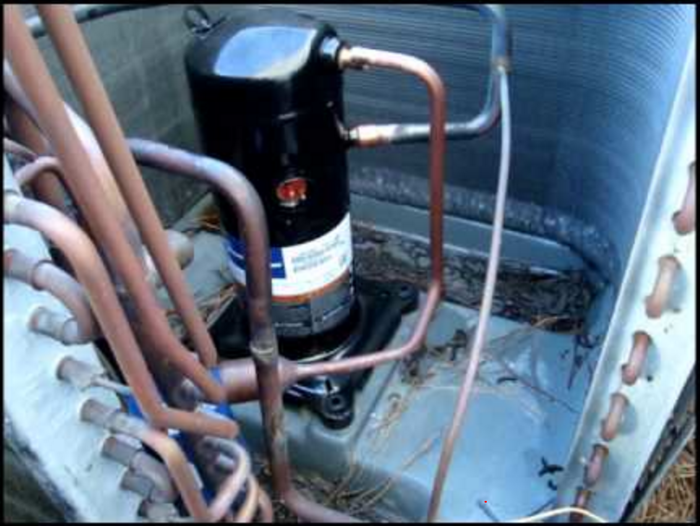
How to troubleshoot AC compressor issues opens the door to understanding the complexities of AC systems, guiding you through a maze of potential problems and solutions. Get ready to unravel the mysteries behind your AC compressor with this informative guide.
Introduction to AC Compressor Issues
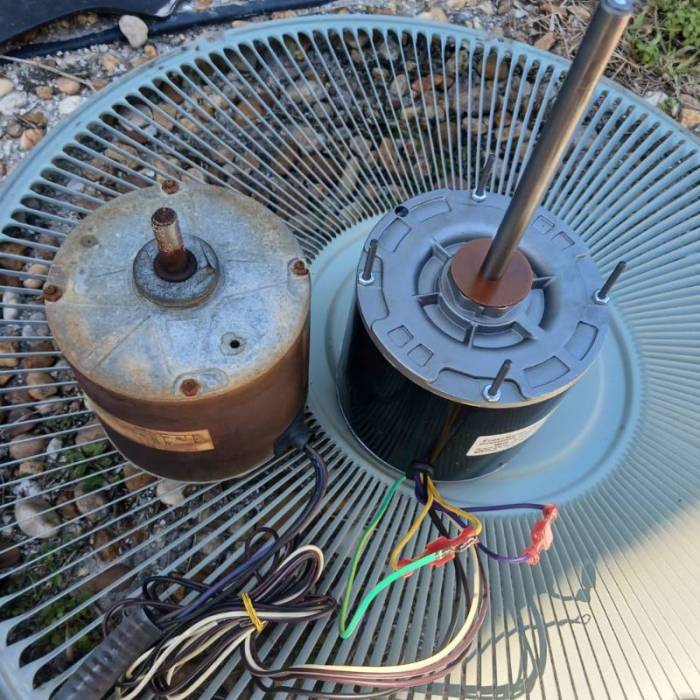
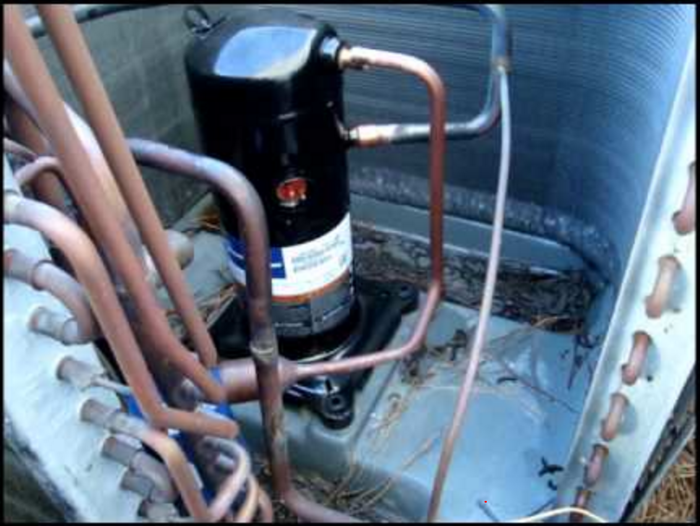
The AC compressor plays a crucial role in the air conditioning system by compressing the refrigerant gas and circulating it through the system to remove heat from the air. Without the compressor, the entire cooling process would not be possible, making it an essential component for maintaining indoor comfort.
Common Signs of AC Compressor Problems
When the AC compressor starts to malfunction, there are several common signs that indicate potential issues. It is important to be aware of these signs to address problems promptly and prevent further damage to the system.
DIY air conditioner maintenance is essential to keep your unit running efficiently. From cleaning the coils to checking the thermostat settings, regular upkeep can extend the lifespan of your AC. For a comprehensive maintenance guide and step-by-step instructions, visit this resource.
- 1. Lack of Cool Air: One of the most obvious signs of AC compressor issues is a noticeable decrease in the cooling capacity of the air conditioning system.
- 2. Strange Noises: Unusual noises such as squealing, grinding, or rattling coming from the compressor can indicate mechanical problems that need attention.
- 3. Leaking Refrigerant: If there is a refrigerant leak in the system, it can put extra strain on the compressor and lead to performance issues.
- 4. Tripped Circuit Breaker: A malfunctioning compressor can cause the circuit breaker to trip frequently, indicating an electrical issue that requires investigation.
Importance of Timely Troubleshooting AC Compressor Issues
Timely troubleshooting of AC compressor issues is crucial to prevent further damage to the air conditioning system and ensure optimal performance. Ignoring compressor problems can lead to more extensive repairs and higher costs in the long run, making it essential to address any issues promptly.
When it comes to common air conditioner problems and solutions, it’s crucial to be aware of issues like refrigerant leaks, dirty filters, or electrical failures. Understanding these issues can help prevent major breakdowns and costly repairs. For more information on how to troubleshoot and fix these problems, check out this guide.
Understanding AC Compressor Functionality
Air conditioning systems rely on the AC compressor to cool the air in a space. The compressor plays a crucial role in the refrigeration cycle by compressing the refrigerant gas, which ultimately leads to the cooling of the air inside the system.
The relationship between the compressor, refrigerant, and cooling process is essential to grasp how an AC system works efficiently. The compressor takes in low-pressure, low-temperature refrigerant gas and compresses it, increasing its pressure and temperature. This high-pressure gas then flows to the condenser coil where it releases heat and condenses into a high-pressure liquid.
Components of the AC Compressor System
- The AC Compressor: This is the heart of the system that compresses the refrigerant gas.
- Condenser Coil: Where the high-pressure gas releases heat and condenses into a liquid.
- Expansion Valve: Regulates the flow of refrigerant into the evaporator coil.
- Evaporator Coil: Absorbs heat from the air, cooling it down, and releases the chilled air into the space.
- Refrigerant: The substance that cycles through the system, changing states from gas to liquid and back again to cool the air.
Common AC Compressor Problems
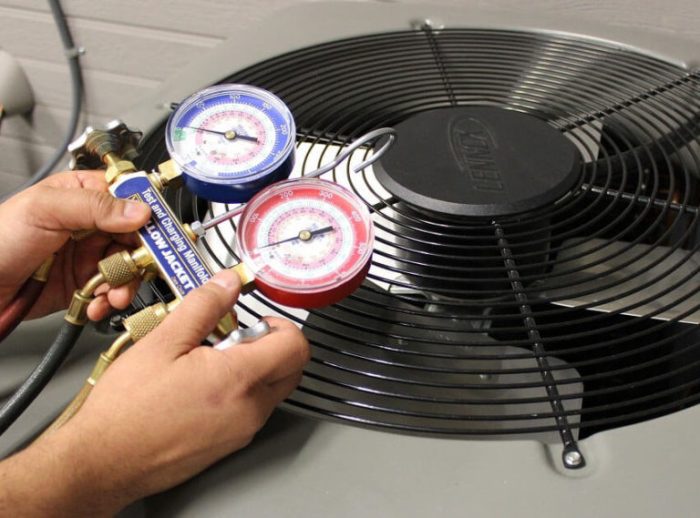
AC compressors can experience various issues that can affect the overall performance of the air conditioning system. It is important to identify and address these problems promptly to ensure optimal functioning of the AC unit.
Refrigerant Leaks
Refrigerant leaks are a common issue in AC compressors and can result in reduced cooling capacity and inefficient operation. When refrigerant levels are low, the compressor has to work harder to maintain the desired temperature, leading to increased energy consumption.
Recognizing signs that your AC needs maintenance is key to preventing system failures. Whether it’s strange noises, poor airflow, or inconsistent cooling, addressing these issues promptly can save you from costly repairs in the future. Learn more about the warning signs and when to schedule maintenance from this article.
- Frost or ice buildup on the refrigerant lines
- Warm air blowing from the vents
- Hissing or bubbling sounds coming from the unit
Electrical Failures
Electrical failures in the compressor can cause the unit to malfunction or fail completely. Issues such as faulty wiring, capacitor problems, or electrical component failures can disrupt the operation of the compressor.
- Compressor not turning on
- Frequent tripping of the circuit breaker
- Diminished cooling performance
Mechanical Faults
Mechanical faults in the compressor can lead to issues such as overheating, loud noises, or complete compressor failure. These faults can stem from issues with the motor, bearings, or other internal components of the compressor.
- Loud banging or clanking noises when the compressor is running
- Compressor cycling on and off frequently
- Burning smell coming from the unit
Troubleshooting Steps for AC Compressor Issues
When faced with AC compressor problems, it is essential to follow a systematic approach to diagnose and resolve the issue. This involves checking various components and connections to pinpoint the root cause of the problem.
Checking Refrigerant Levels
- Begin by turning off the power to the AC unit to ensure safety.
- Locate the refrigerant lines and access ports on the compressor unit.
- Use a pressure gauge to measure the refrigerant levels in the system.
- Compare the readings to the manufacturer’s specifications to determine if the refrigerant levels are adequate.
- If the levels are low, it may indicate a leak in the system that needs to be repaired before recharging the refrigerant.
Checking Electrical Connections, How to troubleshoot AC compressor issues
- Inspect the electrical connections to the compressor for any signs of damage or corrosion.
- Tighten any loose connections and clean any corrosion using a wire brush.
- Use a multimeter to test the continuity of the electrical components to ensure they are functioning properly.
- Check the capacitor for any bulging or leaking, as this could indicate a faulty component that needs to be replaced.
Testing Compressor Functionality
- Start by ensuring the power to the AC unit is turned off before proceeding.
- Disconnect the compressor from the power source and remove any covers or panels for access.
- Use a multimeter to check the resistance of the compressor windings to determine if they are within the normal range.
- Inspect the compressor for any visible signs of damage, such as burnt wires or oil leaks, which could indicate a malfunction.
- If the compressor fails any of these tests, it may need to be replaced by a qualified technician.
Maintenance Tips for AC Compressors
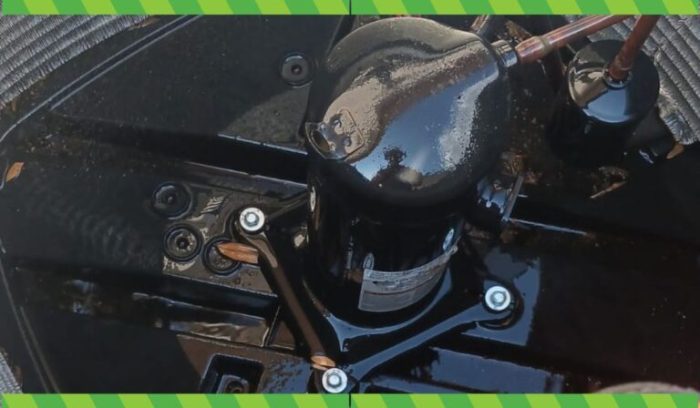
Regular maintenance is crucial for ensuring the longevity and efficiency of your AC compressor. By implementing preventive measures and conducting routine inspections, you can avoid costly repairs and ensure optimal performance of your cooling system. Here are some maintenance tips to help you keep your AC compressor in top condition:
Importance of Regular Inspections and Servicing
Regular inspections and servicing are essential for identifying potential issues before they escalate into major problems. By conducting routine checks, you can detect any abnormalities in the compressor’s operation and address them promptly. This can help prevent breakdowns and prolong the lifespan of your AC compressor.
Cleaning and Lubricating the Compressor
One of the key maintenance tasks for an AC compressor is cleaning and lubricating its components. Dust, dirt, and debris can accumulate on the compressor over time, hindering its performance. Regularly clean the compressor by removing any debris and dirt from the external unit. Additionally, ensure that the compressor is properly lubricated to reduce friction and wear on its moving parts.
Ensuring Proper Airflow
Proper airflow is essential for the efficient operation of an AC compressor. Restricted airflow can cause the compressor to work harder, leading to increased energy consumption and potential overheating. To ensure proper airflow, regularly clean or replace air filters, clear any obstructions around the external unit, and maintain adequate ventilation around the compressor.
Monitoring Refrigerant Levels
Another important maintenance tip is to monitor the refrigerant levels in your AC system. Low refrigerant levels can put strain on the compressor and affect its efficiency. If you notice a decrease in cooling performance or hear unusual noises coming from the compressor, have a professional inspect the refrigerant levels and top them up if necessary.
Scheduling Professional Maintenance
While you can perform some maintenance tasks on your own, it’s important to schedule regular professional maintenance for your AC compressor. A trained technician can conduct a thorough inspection, identify any underlying issues, and perform necessary repairs or adjustments to keep your compressor running smoothly.
DIY vs. Professional Repair: How To Troubleshoot AC Compressor Issues
When it comes to troubleshooting AC compressor issues, deciding between a DIY approach or seeking professional repair services can be a critical choice. Both options have their benefits and limitations, depending on the complexity of the problem and your level of expertise in HVAC systems.
Also Read: Importance Of Regular Ac Tune-Ups
Benefits and Limitations
- DIY Troubleshooting:
- Benefits:
- Cost-effective as you can save money on labor charges.
- Opportunity to learn more about your AC system and gain hands-on experience.
- Convenience of fixing minor issues promptly without waiting for a technician.
- Limitations:
- Risk of causing further damage if not handled correctly.
- Limited access to specialized tools and equipment that professionals have.
- No guarantee of solving complex issues that require in-depth knowledge.
- Benefits:
- Professional Repair:
- Benefits:
- Expertise and experience of trained technicians ensure accurate diagnosis and effective solutions.
- Access to advanced tools and technology for efficient repairs.
- Warranty on services provided, offering peace of mind for quality work.
- Limitations:
- Higher cost compared to DIY repairs due to labor charges and service fees.
- Dependency on technician availability, leading to potential wait times for appointments.
- Limited learning opportunities for homeowners who prefer a hands-on approach.
- Benefits:
When to DIY and When to Seek Professional Help
- DIY Approach:
- Simple maintenance tasks like cleaning or replacing air filters can be done by homeowners.
- Minor issues such as a tripped circuit breaker or thermostat settings can usually be resolved without professional assistance.
- If you have experience working with HVAC systems and feel confident in your troubleshooting skills, DIY can be suitable for basic problems.
- Professional Help:
- Complex issues like refrigerant leaks, compressor failures, or electrical problems should be handled by licensed technicians.
- If DIY attempts have not resolved the problem or if you are unsure about the underlying cause, it’s best to seek professional help to prevent further damage.
- When safety concerns arise, such as dealing with high-voltage components or intricate system repairs, it’s recommended to leave the task to professionals.
Choosing a Qualified Technician
When selecting a professional technician for AC compressor repairs, consider the following recommendations:
- Verify the technician’s credentials and certifications to ensure they are qualified to work on HVAC systems.
- Check for references or read reviews from previous customers to gauge the technician’s reputation and service quality.
- Inquire about warranty options and guarantees provided for the repair work to ensure satisfaction and protection against future issues.
- Compare quotes from multiple technicians to find a reasonable price that aligns with the scope of work needed for your AC compressor.
Final Summary
In conclusion, troubleshooting AC compressor issues is essential to ensure your air conditioning system runs smoothly. By following the steps Artikeld in this guide, you can tackle problems head-on and keep your AC unit in top condition.
How To Troubleshoot Ac Compressor Issues

How to troubleshoot AC compressor issues opens the door to understanding the complexities of AC systems, guiding you through a maze of potential problems and solutions. Get ready to unravel the mysteries behind your AC compressor with this informative guide.
Introduction to AC Compressor Issues
The AC compressor plays a crucial role in the air conditioning system by compressing the refrigerant gas and circulating it through the system to remove heat from the air. Without the compressor, the entire cooling process would not be possible, making it an essential component for maintaining indoor comfort.
Common Signs of AC Compressor Problems
When the AC compressor starts to malfunction, there are several common signs that indicate potential issues. It is important to be aware of these signs to address problems promptly and prevent further damage to the system.
DIY air conditioner maintenance is essential to keep your unit running efficiently. From cleaning the coils to checking the thermostat settings, regular upkeep can extend the lifespan of your AC. For a comprehensive maintenance guide and step-by-step instructions, visit this resource.
- 1. Lack of Cool Air: One of the most obvious signs of AC compressor issues is a noticeable decrease in the cooling capacity of the air conditioning system.
- 2. Strange Noises: Unusual noises such as squealing, grinding, or rattling coming from the compressor can indicate mechanical problems that need attention.
- 3. Leaking Refrigerant: If there is a refrigerant leak in the system, it can put extra strain on the compressor and lead to performance issues.
- 4. Tripped Circuit Breaker: A malfunctioning compressor can cause the circuit breaker to trip frequently, indicating an electrical issue that requires investigation.
Importance of Timely Troubleshooting AC Compressor Issues
Timely troubleshooting of AC compressor issues is crucial to prevent further damage to the air conditioning system and ensure optimal performance. Ignoring compressor problems can lead to more extensive repairs and higher costs in the long run, making it essential to address any issues promptly.
When it comes to common air conditioner problems and solutions, it’s crucial to be aware of issues like refrigerant leaks, dirty filters, or electrical failures. Understanding these issues can help prevent major breakdowns and costly repairs. For more information on how to troubleshoot and fix these problems, check out this guide.
Understanding AC Compressor Functionality
Air conditioning systems rely on the AC compressor to cool the air in a space. The compressor plays a crucial role in the refrigeration cycle by compressing the refrigerant gas, which ultimately leads to the cooling of the air inside the system.
The relationship between the compressor, refrigerant, and cooling process is essential to grasp how an AC system works efficiently. The compressor takes in low-pressure, low-temperature refrigerant gas and compresses it, increasing its pressure and temperature. This high-pressure gas then flows to the condenser coil where it releases heat and condenses into a high-pressure liquid.
Components of the AC Compressor System
- The AC Compressor: This is the heart of the system that compresses the refrigerant gas.
- Condenser Coil: Where the high-pressure gas releases heat and condenses into a liquid.
- Expansion Valve: Regulates the flow of refrigerant into the evaporator coil.
- Evaporator Coil: Absorbs heat from the air, cooling it down, and releases the chilled air into the space.
- Refrigerant: The substance that cycles through the system, changing states from gas to liquid and back again to cool the air.
Common AC Compressor Problems
AC compressors can experience various issues that can affect the overall performance of the air conditioning system. It is important to identify and address these problems promptly to ensure optimal functioning of the AC unit.
Refrigerant Leaks
Refrigerant leaks are a common issue in AC compressors and can result in reduced cooling capacity and inefficient operation. When refrigerant levels are low, the compressor has to work harder to maintain the desired temperature, leading to increased energy consumption.
Recognizing signs that your AC needs maintenance is key to preventing system failures. Whether it’s strange noises, poor airflow, or inconsistent cooling, addressing these issues promptly can save you from costly repairs in the future. Learn more about the warning signs and when to schedule maintenance from this article.
- Frost or ice buildup on the refrigerant lines
- Warm air blowing from the vents
- Hissing or bubbling sounds coming from the unit
Electrical Failures
Electrical failures in the compressor can cause the unit to malfunction or fail completely. Issues such as faulty wiring, capacitor problems, or electrical component failures can disrupt the operation of the compressor.
- Compressor not turning on
- Frequent tripping of the circuit breaker
- Diminished cooling performance
Mechanical Faults
Mechanical faults in the compressor can lead to issues such as overheating, loud noises, or complete compressor failure. These faults can stem from issues with the motor, bearings, or other internal components of the compressor.
- Loud banging or clanking noises when the compressor is running
- Compressor cycling on and off frequently
- Burning smell coming from the unit
Troubleshooting Steps for AC Compressor Issues
When faced with AC compressor problems, it is essential to follow a systematic approach to diagnose and resolve the issue. This involves checking various components and connections to pinpoint the root cause of the problem.
Checking Refrigerant Levels
- Begin by turning off the power to the AC unit to ensure safety.
- Locate the refrigerant lines and access ports on the compressor unit.
- Use a pressure gauge to measure the refrigerant levels in the system.
- Compare the readings to the manufacturer’s specifications to determine if the refrigerant levels are adequate.
- If the levels are low, it may indicate a leak in the system that needs to be repaired before recharging the refrigerant.
Checking Electrical Connections, How to troubleshoot AC compressor issues
- Inspect the electrical connections to the compressor for any signs of damage or corrosion.
- Tighten any loose connections and clean any corrosion using a wire brush.
- Use a multimeter to test the continuity of the electrical components to ensure they are functioning properly.
- Check the capacitor for any bulging or leaking, as this could indicate a faulty component that needs to be replaced.
Testing Compressor Functionality
- Start by ensuring the power to the AC unit is turned off before proceeding.
- Disconnect the compressor from the power source and remove any covers or panels for access.
- Use a multimeter to check the resistance of the compressor windings to determine if they are within the normal range.
- Inspect the compressor for any visible signs of damage, such as burnt wires or oil leaks, which could indicate a malfunction.
- If the compressor fails any of these tests, it may need to be replaced by a qualified technician.
Maintenance Tips for AC Compressors
Regular maintenance is crucial for ensuring the longevity and efficiency of your AC compressor. By implementing preventive measures and conducting routine inspections, you can avoid costly repairs and ensure optimal performance of your cooling system. Here are some maintenance tips to help you keep your AC compressor in top condition:
Importance of Regular Inspections and Servicing
Regular inspections and servicing are essential for identifying potential issues before they escalate into major problems. By conducting routine checks, you can detect any abnormalities in the compressor’s operation and address them promptly. This can help prevent breakdowns and prolong the lifespan of your AC compressor.
Cleaning and Lubricating the Compressor
One of the key maintenance tasks for an AC compressor is cleaning and lubricating its components. Dust, dirt, and debris can accumulate on the compressor over time, hindering its performance. Regularly clean the compressor by removing any debris and dirt from the external unit. Additionally, ensure that the compressor is properly lubricated to reduce friction and wear on its moving parts.
Ensuring Proper Airflow
Proper airflow is essential for the efficient operation of an AC compressor. Restricted airflow can cause the compressor to work harder, leading to increased energy consumption and potential overheating. To ensure proper airflow, regularly clean or replace air filters, clear any obstructions around the external unit, and maintain adequate ventilation around the compressor.
Monitoring Refrigerant Levels
Another important maintenance tip is to monitor the refrigerant levels in your AC system. Low refrigerant levels can put strain on the compressor and affect its efficiency. If you notice a decrease in cooling performance or hear unusual noises coming from the compressor, have a professional inspect the refrigerant levels and top them up if necessary.
Scheduling Professional Maintenance
While you can perform some maintenance tasks on your own, it’s important to schedule regular professional maintenance for your AC compressor. A trained technician can conduct a thorough inspection, identify any underlying issues, and perform necessary repairs or adjustments to keep your compressor running smoothly.
DIY vs. Professional Repair: How To Troubleshoot AC Compressor Issues
When it comes to troubleshooting AC compressor issues, deciding between a DIY approach or seeking professional repair services can be a critical choice. Both options have their benefits and limitations, depending on the complexity of the problem and your level of expertise in HVAC systems.
Also Read: Importance Of Regular Ac Tune-Ups
Benefits and Limitations
- DIY Troubleshooting:
- Benefits:
- Cost-effective as you can save money on labor charges.
- Opportunity to learn more about your AC system and gain hands-on experience.
- Convenience of fixing minor issues promptly without waiting for a technician.
- Limitations:
- Risk of causing further damage if not handled correctly.
- Limited access to specialized tools and equipment that professionals have.
- No guarantee of solving complex issues that require in-depth knowledge.
- Benefits:
- Professional Repair:
- Benefits:
- Expertise and experience of trained technicians ensure accurate diagnosis and effective solutions.
- Access to advanced tools and technology for efficient repairs.
- Warranty on services provided, offering peace of mind for quality work.
- Limitations:
- Higher cost compared to DIY repairs due to labor charges and service fees.
- Dependency on technician availability, leading to potential wait times for appointments.
- Limited learning opportunities for homeowners who prefer a hands-on approach.
- Benefits:
When to DIY and When to Seek Professional Help
- DIY Approach:
- Simple maintenance tasks like cleaning or replacing air filters can be done by homeowners.
- Minor issues such as a tripped circuit breaker or thermostat settings can usually be resolved without professional assistance.
- If you have experience working with HVAC systems and feel confident in your troubleshooting skills, DIY can be suitable for basic problems.
- Professional Help:
- Complex issues like refrigerant leaks, compressor failures, or electrical problems should be handled by licensed technicians.
- If DIY attempts have not resolved the problem or if you are unsure about the underlying cause, it’s best to seek professional help to prevent further damage.
- When safety concerns arise, such as dealing with high-voltage components or intricate system repairs, it’s recommended to leave the task to professionals.
Choosing a Qualified Technician
When selecting a professional technician for AC compressor repairs, consider the following recommendations:
- Verify the technician’s credentials and certifications to ensure they are qualified to work on HVAC systems.
- Check for references or read reviews from previous customers to gauge the technician’s reputation and service quality.
- Inquire about warranty options and guarantees provided for the repair work to ensure satisfaction and protection against future issues.
- Compare quotes from multiple technicians to find a reasonable price that aligns with the scope of work needed for your AC compressor.
Final Summary
In conclusion, troubleshooting AC compressor issues is essential to ensure your air conditioning system runs smoothly. By following the steps Artikeld in this guide, you can tackle problems head-on and keep your AC unit in top condition.