How To Improve Air Conditioner Efficiency
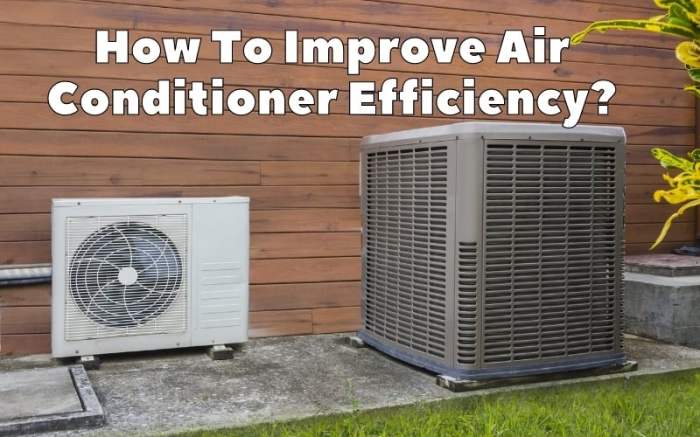
How to improve air conditioner efficiency starts with understanding the key factors that impact the performance of your cooling system. From regular maintenance to optimal temperature settings, this guide will help you maximize efficiency and save on costs.
Understanding Air Conditioner Efficiency
Air conditioner efficiency refers to the ability of an air conditioning unit to cool a space while consuming the least amount of energy possible. The higher the efficiency of an air conditioner, the less energy it will need to operate, resulting in lower electricity bills and reduced environmental impact.
Factors Affecting Air Conditioner Efficiency
- Age of the unit: Older air conditioners tend to be less efficient than newer models due to advancements in technology.
- Maintenance: Regular maintenance, such as cleaning filters and coils, can improve efficiency by ensuring smooth airflow and proper functioning of the unit.
- Size of the unit: An air conditioner that is too large or too small for the space it is cooling will not operate efficiently.
- Insulation and sealing: Proper insulation and sealing of windows and doors can help prevent cool air from escaping, improving efficiency.
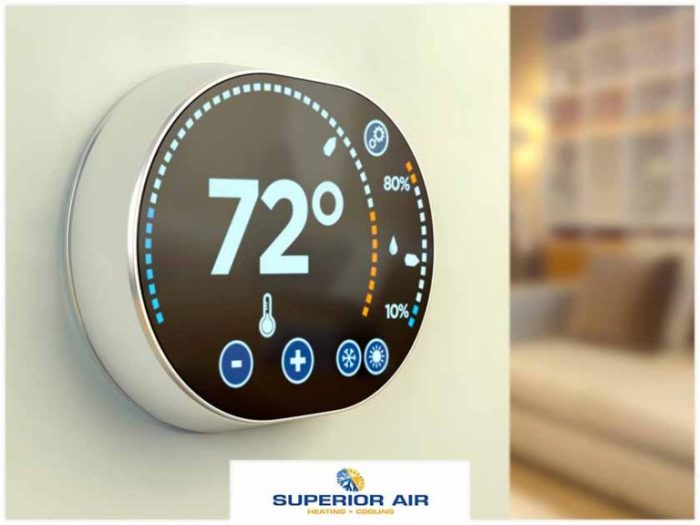
- Thermostat settings: Setting the thermostat to an optimal temperature can help reduce energy consumption and improve efficiency.
Importance of Improving Efficiency
Improving the efficiency of an air conditioner is important for several reasons. Firstly, it can lead to cost savings on electricity bills, as a more efficient unit will require less energy to operate. Secondly, increased efficiency can reduce the environmental impact of air conditioning systems by lowering greenhouse gas emissions associated with electricity generation. Overall, improving air conditioner efficiency is beneficial for both your wallet and the planet.
Regular Maintenance
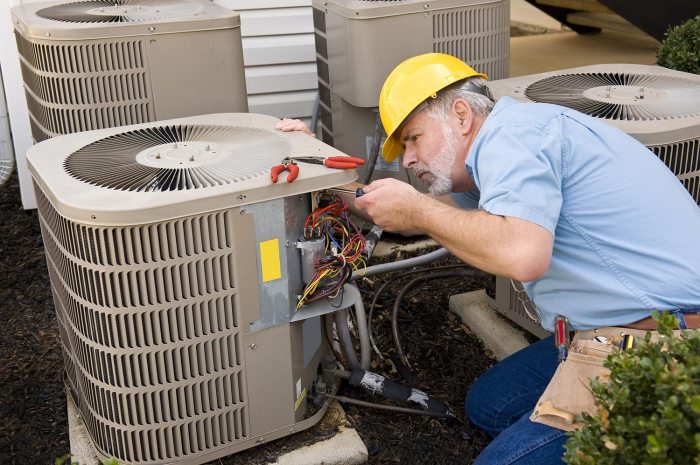
Regular maintenance is crucial for ensuring the efficiency and longevity of your air conditioner. Neglecting maintenance can lead to reduced performance, higher energy consumption, and costly repairs. By performing routine maintenance tasks, you can improve the efficiency of your air conditioner and extend its lifespan.
Checklist of Maintenance Tasks
- Change or clean the air filters regularly to ensure proper airflow and reduce strain on the system.
- Inspect and clean the evaporator and condenser coils to remove dirt and debris that can hinder heat transfer.
- Check and clean the condensate drain to prevent clogs and water damage.
- Inspect and tighten electrical connections to ensure safe and efficient operation.
- Lubricate moving parts to reduce friction and wear.
- Check the refrigerant levels and adjust if necessary to maintain optimal performance.
- Inspect the thermostat and calibrate it to ensure accurate temperature control.
Impact of Neglecting Maintenance
Neglecting maintenance can have serious consequences on the performance of your air conditioner. A dirty filter, for example, can restrict airflow, causing the system to work harder and consume more energy. Dirty coils can reduce the unit’s ability to remove heat from your home, leading to higher energy bills and a shorter lifespan for the equipment. Neglected maintenance can also result in more frequent breakdowns and costly repairs, ultimately reducing the overall efficiency of the system.
Optimal Temperature Settings: How To Improve Air Conditioner Efficiency
Setting the ideal temperature on your air conditioner is crucial for maximizing efficiency and reducing energy consumption. By understanding the optimal temperature settings and making adjustments based on external conditions, you can ensure that your air conditioner operates at its best while saving on energy costs.
Adjusting Temperature Based on External Conditions
- During the summer months, it is recommended to set your thermostat to 78°F when you are at home and increase the temperature when you are away. This can help save energy while keeping your home comfortable.
- On cooler days, consider turning off the air conditioner and opening windows to allow for natural ventilation. This can help reduce the workload on your air conditioner and save energy.
- Utilize ceiling fans in conjunction with your air conditioner to help circulate cool air more effectively, allowing you to set the thermostat a few degrees higher without sacrificing comfort.
Setting Programmable Thermostats, How to improve air conditioner efficiency
- Invest in a programmable thermostat that allows you to schedule temperature adjustments throughout the day. Set the thermostat to automatically increase the temperature when you are sleeping or away from home, and lower it when you are awake and present.
- Programmable thermostats can help you save energy by ensuring that your air conditioner is not working harder than necessary when you do not need it, ultimately improving efficiency and reducing utility costs.
- Take advantage of features such as zoning controls on programmable thermostats to adjust temperatures in different areas of your home based on occupancy, further optimizing energy usage.
Proper Insulation and Sealing
Insulation and sealing play a crucial role in improving air conditioner efficiency by helping to maintain a consistent indoor temperature and reduce the workload on the AC unit. Proper insulation and sealing can prevent hot air from entering the house during summer and cold air from escaping during winter, thus reducing the need for the air conditioner to work harder to maintain the desired temperature.
Common Areas Requiring Insulation and Sealing
- Attic: Insulating and sealing the attic can prevent hot air from entering the living spaces in the summer and prevent heat loss in the winter.
- Windows and Doors: Properly sealing windows and doors with weather stripping can prevent air leaks and improve overall energy efficiency.
- Basement: Insulating and sealing the basement can help maintain a more consistent temperature throughout the house.
Reducing Energy Consumption through Insulation and Sealing
Proper insulation and sealing can lead to significant energy savings by reducing the amount of work your air conditioner needs to do to maintain a comfortable indoor temperature. By preventing hot or cold air from entering or escaping the house, the AC unit can operate more efficiently and consume less energy. This not only helps lower energy bills but also reduces the environmental impact of excessive energy consumption.
Air Filter Maintenance
Regular air filter maintenance is crucial for ensuring the efficiency of your air conditioner. Dirty air filters can restrict airflow, causing the system to work harder and consume more energy. This not only leads to increased energy bills but also puts unnecessary strain on the AC unit, potentially shortening its lifespan.
Importance of Clean Air Filters
- Dirty air filters can lead to reduced airflow, making the air conditioner work harder to cool the space.
- This increased workload not only consumes more energy but also puts additional strain on the system, potentially leading to breakdowns.
- Clean air filters help maintain good indoor air quality by trapping dust, pollen, and other particles, preventing them from circulating in the air.
Frequency of Air Filter Replacement/Cleaning
- It is recommended to check your air filters every month and replace or clean them as needed.
- For standard 1-3 inch filters, they should typically be replaced every 1-3 months, depending on factors like indoor air quality and usage.
- For high-efficiency filters or households with pets or allergies, more frequent replacements may be necessary.
Impact of Dirty Filters on Air Quality and Efficiency
- Dirty filters can lead to poor indoor air quality as they are unable to effectively trap particles, allowing them to circulate in the air.
- Reduced airflow due to dirty filters can result in uneven cooling, with some areas of the space feeling warmer than others.
- Inefficient air conditioning due to dirty filters can lead to higher energy bills and increased wear and tear on the system, potentially resulting in costly repairs.
Conclusive Thoughts
In conclusion, optimizing your air conditioner’s efficiency is not only beneficial for your wallet but also for the environment. By following these tips and practices, you can ensure that your cooling system operates at its best capacity while reducing energy consumption and costs.
In the world of programming, the first code that many beginners learn is the famous “Hello world!” program. This simple program is often used as an introduction to a new programming language. If you want to know more about the history and significance of the “Hello world!” program, you can check out this Hello world! article.
When starting out in the world of programming, the first thing every aspiring coder learns to write is the famous “Hello world!” program. This simple yet powerful phrase has become a symbol of initiation into the world of coding. If you’re curious to learn more about the history and significance of this iconic phrase, you can read about it here.